Air Duct Cleaning: How Often and Why It Matters
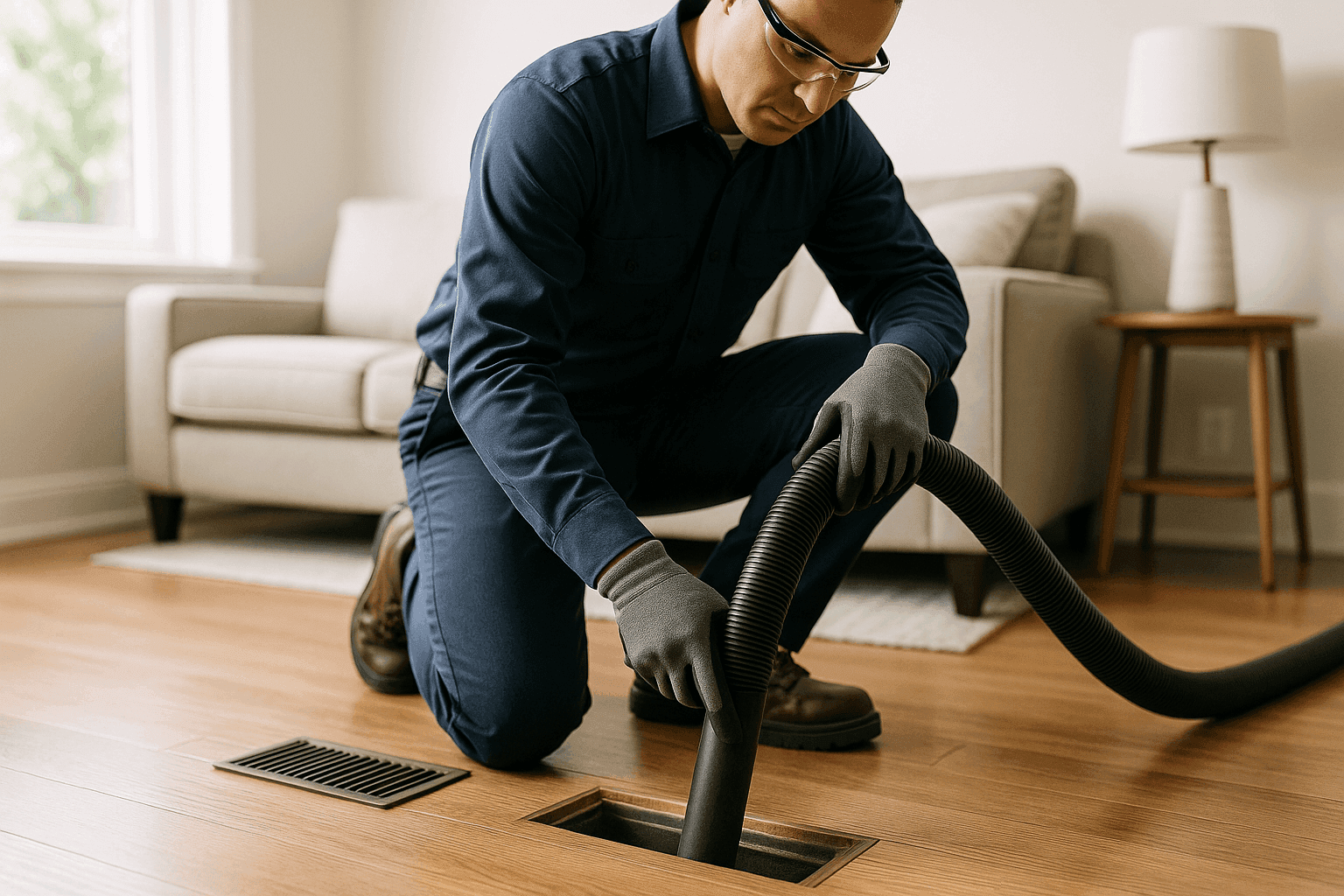
Breathing easy at home or work isn’t something you should have to think about. But if you’ve ever watched sunlight streaming in and caught a swirl of dust, you know: what’s in your air isn’t always what you want in your lungs.
At Briggs Heating, we’ve seen first-hand how dirty ducts can turn a comfortable space into a source of sneezing, musty odors, and rising energy bills. Today, let’s break down why air duct cleaning matters, how often you need it, and what you should expect from a proper job—no guesswork, just straight talk.
How Ducts Impact Your Air Quality 🌬️
Think of your ductwork as the lungs of your property. Every time your furnace or AC kicks on, it’s like a big inhale—pulling in air, dust, pollen, pet dander, and whatever else is floating around. Then it exhales, pushing all that through every vent.
When ducts get clogged with years of buildup, it’s like breathing through a straw. Not only does your HVAC have to work harder (raising those energy bills), but every puff is laced with fine particles that settle on furniture, irritate allergies, and can even worsen asthma.
According to the U.S. Environmental Protection Agency (EPA), while a light amount of dust in ducts is normal, excessive buildup or visible mold can threaten indoor air quality and comfort. Clean ducts mean cleaner air—plain and simple.
Signs It’s Time for Air Duct Cleaning
Not sure if your ducts are overdue for a deep clean? Watch for these common red flags:
- Dust blast: Puffs of dust when your system starts, or fast-resettling dust on surfaces.
- Musty or stale odors: Smells that linger, especially when the HVAC is running.
- Allergy flare-ups: Sneezing, headaches, or irritated eyes that improve when outside.
- Visible buildup: Check vent covers—if you see dark, fuzzy debris, it’s a warning.
- Signs of pests: Droppings or odd noises in vents can mean unwanted visitors.
If your home or business has had recent renovations, water damage, or a new pet, it’s wise to check even sooner.
Recommended Cleaning Schedules: How Often Is Enough?
Air duct cleaning isn’t a set-it-and-forget-it task. The EPA notes that while routine cleaning isn’t always needed, certain situations demand more attention. Here’s a practical breakdown:
For Homes
- Standard homes: Every 3–5 years is typical.
- If you have pets: Every 2–3 years. Pet hair and dander build up fast.
- Smokers, allergies, or asthma: Consider every 2–3 years, or sooner if symptoms worsen.
- Recent renovations: Clean ducts after major projects to remove construction dust.
For Businesses
- Offices/retail spaces: Every 3–5 years, but more often if you notice dust, odors, or increased employee allergies.
- Restaurants, gyms, or salons: Every 1–2 years. High traffic equals more airborne debris.
- Healthcare or daycare: Annual inspections, with cleaning as needed for health code compliance.
No two buildings are alike. Have unique needs? Briggs Heating’s emergency hvac team can help tailor a schedule that fits.
What to Expect from a Professional Duct Cleaning
A professional duct cleaning isn’t just a quick vacuum and go. Here’s what happens when Briggs Heating steps in:
- Inspection: We check for dust buildup, mold, pests, and leaks using cameras and flashlights.
- Setup: Drop cloths and vent covers protect your home or business.
- Powerful vacuums: Industrial vacuums pull debris out—far beyond what household units can touch.
- Agitation tools: Brushes and air whips dislodge stubborn dust from walls and bends.
- Sanitizing (if needed): For mold or bacteria, EPA-registered products are used safely.
- Final check: We show you before-and-after visuals so you can see the difference—think of a foggy window, then crystal clear.
Before & After: What a Difference
Imagine a vent so packed with gray fluff it looks like an old lint trap. After cleaning, the ductwork is as clean as a new pipe, with fresh air flowing freely.
EPA Guidelines & Allergy Notes
The EPA recommends duct cleaning when:
- There is visible mold growth inside ducts or on other HVAC parts.
- Ducts are infested with vermin (rodents or insects).
- Ducts are clogged with excessive dust/debris.
If you or anyone in your building has asthma or allergies, clean ducts can make a real difference in comfort and health. The American Lung Association also highlights how cleaner air can reduce respiratory symptoms.
How to Spot Duct Cleaning Scams
Not all companies play fair. Here are a few warning signs:
- Too-good-to-be-true deals: Rock-bottom prices often mean a rushed job.
- No visuals: Reputable pros show you before-and-after photos.
- High-pressure sales: Be wary if you’re told you need cleaning every year, no matter what.
Stick with trusted, established teams like Briggs Heating. We’ll show our work, answer questions, and never upsell what you don’t need.
Practical Tips: Keeping Ducts Cleaner, Longer
- Change HVAC filters every 1–3 months.
- Schedule regular AC repair and heating maintenance.
- Keep vents unblocked by furniture or rugs.
- Vacuum grilles and registers between cleanings.
- Fix leaks or water issues quickly to prevent mold.
Duct Cleaning for Emergencies
Sometimes duct cleaning can’t wait—like after a fire, flood, or sudden mold discovery. If your business or home is facing a true air quality crisis, Briggs Heating offers 24/7 emergency hvac service. Fast response means you’re not left breathing in something dangerous.
Costs & Time Factors
Professional duct cleaning varies. Here’s what affects the process:
- Home size: More vents mean more time.
- System complexity: Attics, basements, or multiple HVAC units take longer.
- Level of buildup: Years of neglect? It’ll take longer than a routine clean.
- Pets or renovations: Add extra time for heavy debris.
Most residential jobs take 2–4 hours. Commercial jobs can run longer. Pricing depends on these details—no one-size-fits-all sticker.
FAQ: Air Duct Cleaning
Q: Does cleaning ducts make my HVAC system last longer?
A: Yes—less strain means fewer breakdowns and better efficiency.
Q: Will duct cleaning help with allergies?
A: If dust, mold, or dander are present, many people see real relief after cleaning.
Q: How can I tell if a company did a good job?
A: Ask for before-and-after images and a written report. You should see and feel the difference.
Q: Do I need to leave while ducts are cleaned?
A: Not usually. The process is safe, but let your technician know if you have sensitivities.
Local and Seasonal Considerations
If you’re in an area with frequent wildfires, heavy pollen, or construction, you may need more frequent duct checks. Spring and fall are the most popular times for AC Repair near you and duct cleaning—right before heavy system use.
Final Thoughts
Clean air ducts are the backbone of a healthy, efficient home or business. Don’t wait for sneezing fits or musty smells to take action. Whether you need routine maintenance or fast emergency hvac help, Briggs Heating is here—day or night.
Call Briggs Heating now — or reach us anytime at 877-748-7966 .