Commercial HVAC Maintenance: Prevent Downtime and Save Money
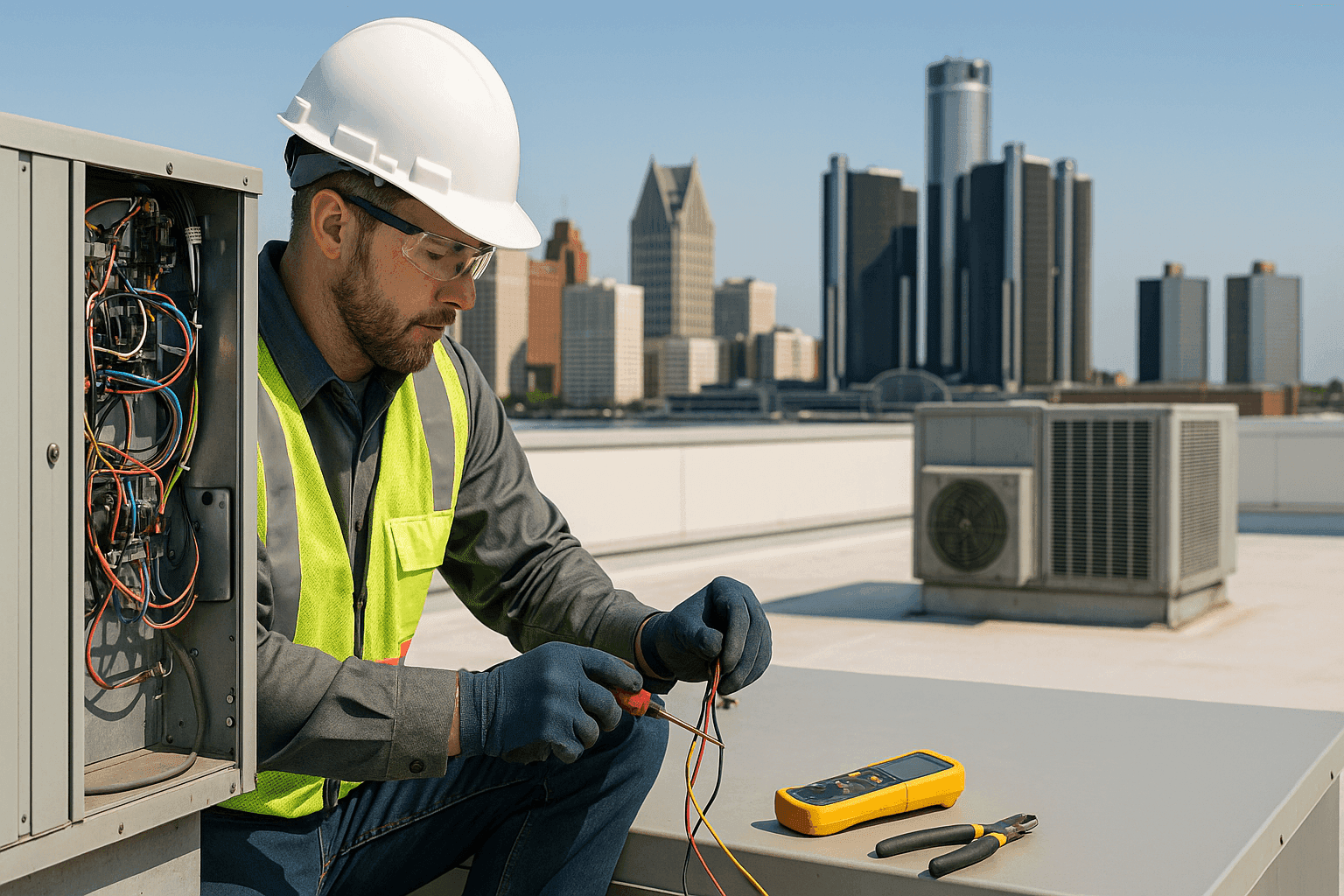
Running a business—whether it’s an office, retail shop, or apartment complex—means you can’t afford downtime. When your HVAC system goes down, everything stops. Employees lose comfort and productivity. Tenants call. Customers leave. In short: a small issue can snowball, fast.
At Briggs Heating, we know what it takes to keep commercial HVAC systems running—24/7. We see the same urgent calls every week, and we know what’s preventable. With the right plan, you can keep the air flowing, the bills down, and avoid those “uh-oh” moments that cost way more than a simple fix ever would.
Common Causes of Business HVAC Failures
Let’s get right to the heart of it. Why do so many commercial HVAC systems fail? The answer isn’t always dramatic. Often, it’s the small stuff.
- Dirty Filters: Just like a blocked artery, a dirty filter chokes your system. Air can’t move. The unit strains. Energy bills climb.
- Neglected Maintenance: Skipping regular tune-ups is like never changing your car’s oil. Eventually, parts wear out and break.
- Thermostat Issues: Old or poorly calibrated thermostats can cause constant cycling—hot, cold, hot, cold—and wear down your system.
- Duct Leaks: Imagine trying to fill a bucket with holes. That’s what leaky ductwork does to your heating and cooling.
- Electrical Shorts: Worn wires and connections can trip breakers or, worse, cause hazards.
- Storm Damage: Wind, rain, and debris can batter rooftop units, clog drains, or blow out critical parts.
When these problems strike, it’s rarely at a convenient time. Emergency HVAC repair is always more disruptive—and expensive—than routine care.
Preventive Steps for Offices, Retail, and Multifamily Buildings 🛠️
Every commercial space is different. But some steps make sense for any business that wants to stay ahead.
For Office Spaces
- Quarterly filter changes (or more if your environment is dusty)
- Schedule seasonal maintenance: spring for cooling, fall for heating
- Check thermostats: make sure set points match actual use
- Review occupancy schedules to avoid waste
For Retail Stores
- Inspect entrance doors and display windows for drafts
- Clean vents and returns that see high foot traffic
- Keep stock away from vents to avoid airflow blockages
For Multifamily & Apartment Complexes
- Test smoke and carbon monoxide detectors regularly (and log it)
- Check shared ductwork for leaks and insulation
- Communicate filter change schedules with tenants
General Tips
- Keep equipment clear: No storage within 3 feet of HVAC units
- Log all maintenance visits: Record dates, issues, and solutions
- Train staff: Simple checks can prevent big headaches
For reference, the U.S. Department of Energy recommends regular inspections and maintenance to prevent most HVAC failures—saving up to 30% on energy bills over time.
Indoor Air Quality for Employees and Tenants
Clean air isn’t a luxury. It’s a necessity. Poor indoor air quality (IAQ) makes people sick, drives up absenteeism, and can even impact your legal compliance.
Why It Matters
- Dust and allergens aggravate asthma and allergies
- High humidity can cause mold and mildew
- Poor ventilation traps odors, viruses, and pollutants
- CO2 buildup reduces cognitive performance and alertness
How to Improve IAQ
- Install quality filters: MERV 8 or higher for most offices
- Add air scrubbers or purifiers for extra protection
- Schedule regular duct cleaning
- Test indoor air at least once a year (or after renovations)
The EPA’s guide to indoor air quality in commercial buildings is a great resource. And OSHA requires employers to provide a safe work environment—including air free of harmful contaminants.
The Benefits of a Professional Maintenance Plan
Think of a maintenance plan as your system’s insurance policy. It isn’t just about fewer breakdowns. It’s about running smarter.
- Lower Energy Costs: Clean, tuned-up systems use less power
- Longer Equipment Life: Minor fixes now prevent major repairs later
- Fewer Emergencies: Proactive care means fewer 3 a.m. panic calls
- Compliance: Meet local codes and insurance requirements
- Maintenance Logs: Track every visit and repair for audits or insurance claims
Certifications and Trust
Briggs Heating’s technicians hold industry-standard certifications, including:
- NATE (North American Technician Excellence)
- EPA Section 608
- OSHA 30
We maintain detailed maintenance logs for every visit. These records help you stay compliant with local codes and provide documentation if you ever need it for insurance or legal reasons.
Real-World Case Study
Last winter, a local multifamily property called us when their rooftop unit failed during a cold snap. Our log showed the last maintenance was over two years ago, and filters hadn’t been changed in months. Within hours, we replaced the failed blower motor, cleaned the system, and put them on a regular schedule. Since then, their emergency calls have dropped to zero, and tenant satisfaction is up.
Quick Safety Checklist for Your Business
- Check that emergency shutoffs are clearly marked and accessible
- Ensure clear access to all HVAC equipment
- Replace filters regularly
- Listen for unusual noises or smells
- Test thermostats for accuracy
- Keep maintenance records up-to-date
If you spot anything off, don’t ignore it. Small issues can turn big, fast.
DIY vs. Call a Pro
Some maintenance is safe for building staff. Other jobs should always be left to certified technicians.
DIY Tasks
- Changing filters
- Cleaning vents and returns
- Checking thermostat batteries
- Basic visual inspections for leaks or blockages
Call a Pro For
- Electrical repairs
- Refrigerant issues or leaks
- Duct sealing or major cleaning
- Fan, compressor, or blower problems
- Any emergency HVAC issue
Remember: According to the International Mechanical Code (IMC), most repairs on commercial HVAC equipment require a licensed professional. Skipping this step can risk your warranty—and your safety.
What Pros Do On Arrival
When Briggs Heating shows up for a commercial HVAC service call, here’s what we do:
- Assess and document the issue
- Inspect filters, belts, motors, and electrical connections
- Test refrigerant pressures and temperatures
- Clean coils, pans, and drains
- Check thermostats and zoning controls
- Log all findings and recommendations
We follow safety protocols set by OSHA and manufacturer guidelines. Our technicians don’t just fix the problem—they look for early warning signs to prevent future downtime.
Prevention & Maintenance: The Smart Play
Proactive care is the difference between smooth sailing and rough seas. Here’s how you can stay ahead:
- Set a maintenance schedule: At least twice a year for most systems
- Build a relationship with an emergency HVAC team—so you’re not scrambling when things go wrong
- Upgrade filters and controls as technology improves
- Keep your maintenance log—this isn’t just paperwork, it’s your system’s “health record”
Plan for busy seasons. Before summer and winter, schedule inspections. That’s when systems are pushed the hardest—and most likely to fail if something’s off.
Costs & Time Factors
How much does maintenance cost? It varies by system size, age, and condition. Here’s what to expect:
- Routine maintenance: Typically a few hours, twice a year
- Filter changes: 10–30 minutes per unit
- Emergency repairs: Can take several hours, or longer if parts are needed
- Downtime costs: Lost productivity, unhappy tenants, or spoiled inventory
Investing in regular upkeep is almost always cheaper than emergency calls. And the more you keep up with maintenance, the less you’ll spend on big repairs down the line.
When It’s an Emergency
Sometimes, things go sideways fast. Here are signs you need emergency HVAC service—now:
- No heating or cooling, especially in extreme weather
- Burning smells or smoke from vents
- Loud banging, grinding, or screeching noises
- Water leaks or flooding near units
- Power outages affecting critical systems
Don’t wait. Emergency HVAC teams like Briggs Heating are available 24/7. Fast response can prevent bigger problems—like property damage or tenant complaints.
FAQ
How often should commercial HVAC systems be serviced?
Ideally, every spring and fall. More often if you have heavy use or special needs (like medical offices or data centers).
What records should I keep for HVAC maintenance?
Every visit should be logged: date, technician, work performed, and any issues found. Good logs help with code compliance and warranty claims.
Can building staff handle all maintenance?
Some tasks, like filter changes and basic inspections, are fine for staff. But most repairs and annual maintenance should be done by certified professionals to ensure compliance and safety.
Is indoor air quality really a legal requirement?
Yes. OSHA and local codes require employers and property owners to provide safe, healthy air. Regular IAQ testing and maintenance help you stay compliant.
Local/Seasonal Considerations: Storm Prep and Busy Seasons 🌦️
In storm-prone regions, rooftop units need extra care. Before storm season:
- Secure all outdoor equipment
- Clear drains and check for debris
- Inspect and tighten electrical connections
During peak summer and winter, systems work the hardest. Schedule pre-season checks to catch issues before they become emergencies.
Busy seasons also mean longer wait times for service—so get on the calendar early.
Proactive maintenance is more than a checklist. It’s peace of mind for your business, your staff, and your tenants. If you want fewer surprises, lower costs, and a healthier building, now’s the time to act.
Call Briggs Heating now — or reach us anytime at 877-748-7966 .