Commercial HVAC: Preventing Costly Downtime & System Failures
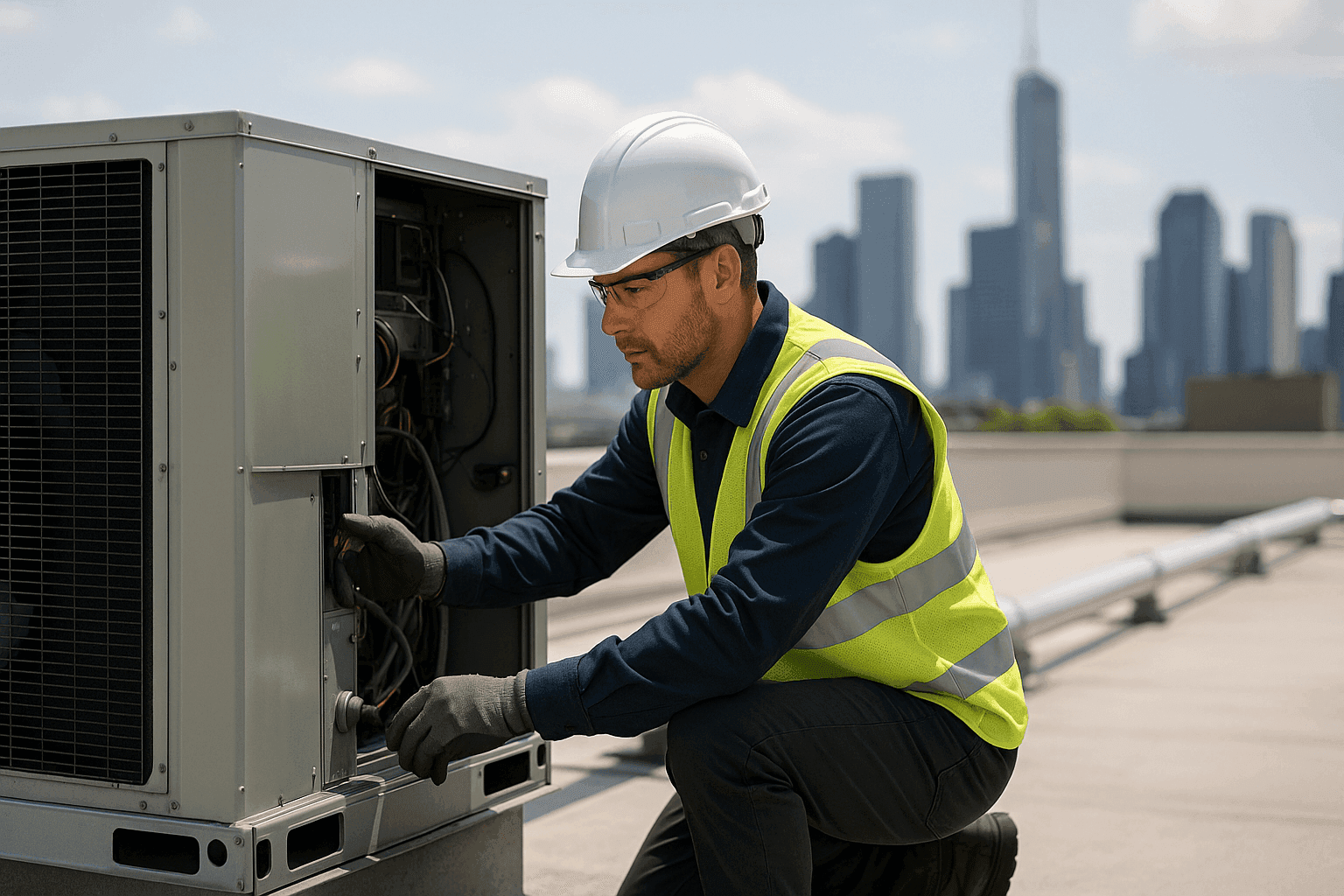
Running a building—whether it’s a busy office, a retail space full of customers, or a multi-unit property—means you don’t have time for surprises. Especially not the kind that leave people sweating, shivering, or breathing stale air. At Briggs Heating, we know the domino effect that one failed HVAC system can have: discomfort, complaints, and sometimes serious business disruptions.
Emergency hvac calls are the last thing any property manager or business owner wants to make. But they happen—usually when you least expect them. The good news? Many system failures and costly downtimes are preventable when you know what to watch for and who to call.
Most Common Commercial System Failures 🛑
Picture your HVAC system as the heart and lungs of your building. If something goes wrong, everything slows down—or stops. Here are some of the most frequent culprits that send property managers scrambling for "AC Repair near you":
- Compressor failures: Often caused by dirty coils, low refrigerant, or electrical issues.
- Clogged filters: A simple part that, when ignored, can choke airflow and spike energy bills.
- Blower motor breakdowns: Without the motor, there’s no air moving—period.
- Thermostat malfunctions: A tiny glitch but a huge headache—especially in multi-zone buildings.
- Electrical faults: Worn wiring or overloaded circuits can trigger system shutdowns, sometimes with safety risks.
- Blocked or leaking ducts: Lost air means lost money and uneven comfort.
- Neglected maintenance: Skipped inspections and cleaning set the stage for all of the above.
Case in point: A downtown restaurant called Briggs Heating after an exhaust failure shut down their kitchen during the Friday dinner rush. The culprit? Grease buildup and a worn-out fan belt—both preventable with scheduled checks.
How Downtime Impacts Your Business
Downtime is more than just a few uncomfortable hours. It’s a ripple effect:
- Lost revenue: Hot or cold conditions drive customers and tenants away.
- Productivity drops: Employees can’t focus in stifling heat or frigid air.
- Equipment risks: Sensitive electronics and food storage can be damaged by temperature swings.
- Reputation hit: Frequent breakdowns send a message—one you don’t want.
- Compliance issues: Failed IAQ (Indoor Air Quality) or ventilation systems can put you at odds with OSHA, ASHRAE, or local codes.
A real example: A local medical facility skipped HVAC maintenance for budget reasons. When the system failed during a heatwave, not only did they lose patient appointments, but they also faced a costly emergency hvac call and an unplanned code inspection.
Preventive Maintenance Strategies
Think of maintenance like changing the oil in your car—it’s essential, not optional. Here’s how to stay ahead:
Scheduled Maintenance Contracts
- Regular inspections: Bi-annual or quarterly visits catch small problems before they snowball.
- Filter changes: Clean filters mean clean air and lower bills.
- System cleaning: Coils, ducts, and fans need cleaning to prevent buildup and airflow blockages.
- Performance checks: Testing thermostats, sensors, and controls for accuracy.
Smart Monitoring
- Remote diagnostics: Modern systems can alert you—or your HVAC provider—to trouble before you see symptoms.
- Energy auditing: Spot inefficiencies or signs of wear before they hit your bottom line.
Staff Training
- Quick checks: Teach your team to notice warning signs—unusual noises, weak airflow, or temperature swings.
- Clear reporting: Set up a simple process for them to alert you or your HVAC partner.
ASHRAE Standard 180 outlines recommended frequencies and procedures for commercial HVAC maintenance. Local codes may require documentation—so keep records up to date.
Emergency Preparedness 🚨
Even with the best plans, emergencies can happen. Here’s how to prepare:
Rapid Response Plan
- Vendor list: Know who to call for emergency hvac—don’t wait until a crisis.
- Access instructions: Make sure your HVAC pro can reach equipment, even after hours.
- Critical systems mapped: Keep diagrams of HVAC, electrical, and generator locations handy.
Backup Systems
- Generators: Regular generator maintenance ensures you’re not left in the dark (or the heat).
- Portable cooling/heating: For mission-critical areas, have contingency options ready.
Communication
- Staff notification: Have a plan for letting tenants, employees, or customers know what’s happening.
- Documentation: Log failures and repairs for insurance and compliance.
Checklist for Emergencies:
- Building and system access available after hours
- Emergency contacts updated and posted
- Critical HVAC zones identified
- Backup power tested monthly
- Maintenance records organized and accessible
Checklists: Your Go-To Guides
Monthly Quick-Check List:
- Inspect visible ductwork for leaks or blockages
- Listen for unusual noises from vents or units
- Verify thermostat displays and responsiveness
- Check for water, oil, or refrigerant leaks around equipment
- Confirm air filters are clean
Seasonal Deep Dive:
- Schedule professional inspection and cleaning (spring/fall)
- Test all safety controls and alarms
- Review and update your emergency plan
- Audit energy bills for unusual spikes
Why Rapid Response Matters
Minutes can make the difference between a quick fix and a major shutdown. At Briggs Heating, our 24 hour emergency hvac team is ready. But the real goal? Reducing the need for those frantic calls by keeping your system healthy in the first place.
True story: A grocery store’s walk-in cooler failed late at night. Because their maintenance contract included remote monitoring, our team was alerted before staff even noticed—and we prevented a costly loss of inventory.
Reference Points: What the Codes Say
- ASHRAE Standard 180: Recommends minimum maintenance for commercial HVAC.
- Local Fire Codes: Often require regular cleaning and inspection of hood/exhaust systems.
- OSHA/CDC Guidelines: Indoor air quality testing and ventilation are essential for occupant safety.
Always check your city’s code enforcement for site-specific rules.
Frequently Asked Questions
How often should commercial HVAC systems be serviced?
Most systems require at least bi-annual inspections—spring and fall. High-use or critical facilities may need quarterly checks.
What’s the biggest cause of emergency HVAC calls?
Neglected maintenance—especially dirty filters, clogged drains, or electrical faults—is the top culprit.
Can my staff handle minor maintenance?
They can change filters and report warning signs, but deeper inspection, electrical work, and refrigerant handling should be left to certified pros.
What should I do if my HVAC fails after hours?
Call for emergency hvac service immediately, protect sensitive areas (like server rooms or perishable storage), and document the incident for insurance or compliance.
Local and Seasonal Considerations 🌦️
Every region’s climate puts different strains on HVAC systems. In cold climates, ignore heating maintenance and you risk frozen pipes. In hot, humid areas, poor AC or dehumidifier upkeep can lead to mold and indoor air quality issues. Seasonal pollen, dust, or wildfire smoke? Your air filters and scrubbers will need extra attention.
No matter your location, schedule seasonal system reviews and adjust maintenance for local hazards.
When it comes to commercial HVAC, an ounce of prevention is worth a pound of downtime. Briggs Heating has seen it all—so you don’t have to.
Call Briggs Heating now — or reach us anytime at 877-748-7966 .