Duct Cleaning: Do You Need It and What’s Involved?
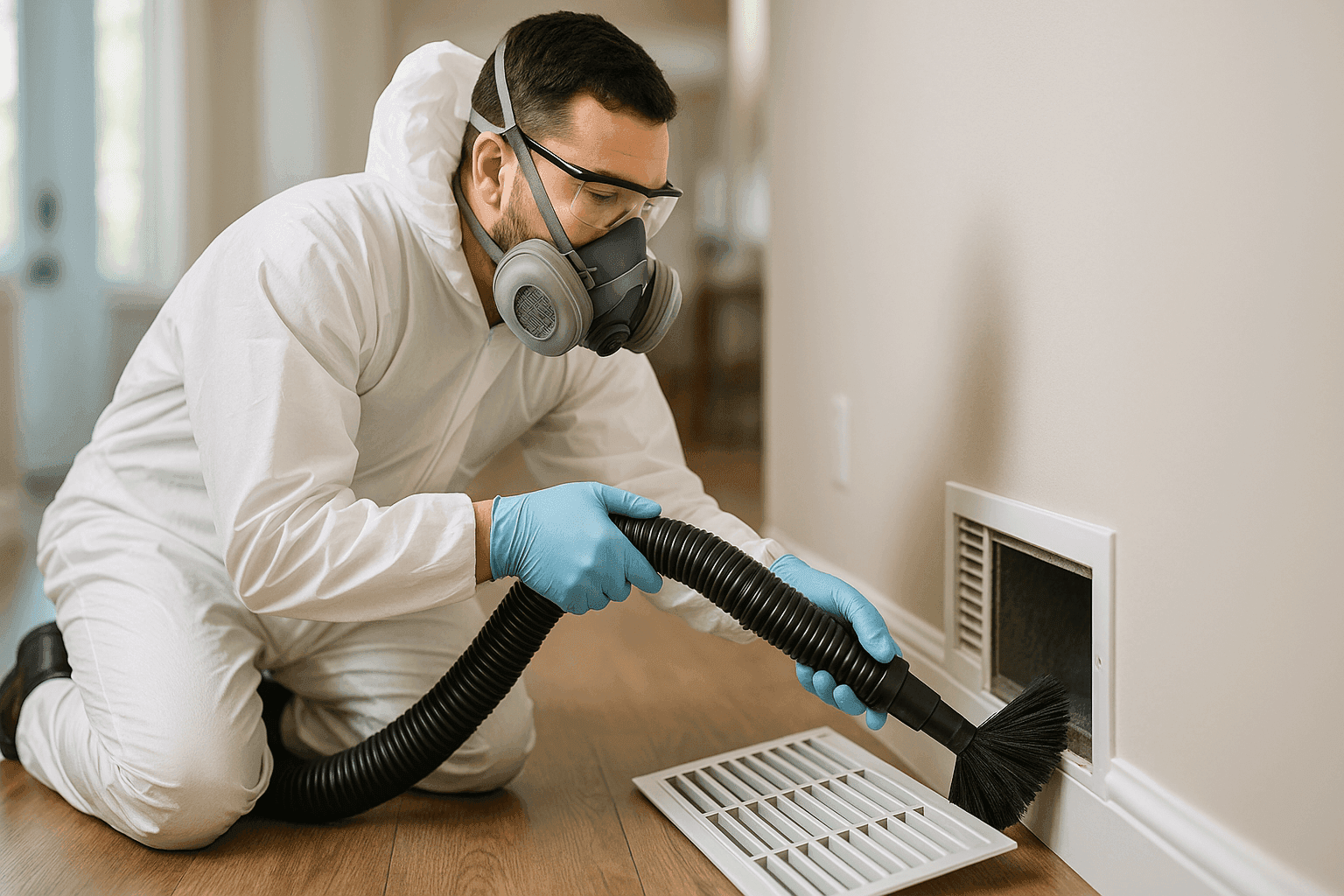
Have you ever sniffed a musty smell when the AC kicks on? Or noticed dust settling faster than you can clean? You’re not alone. Dirty air ducts can creep up on families and businesses alike. The consequences go beyond dust bunnies—they can impact your health, comfort, and even your wallet.
At Briggs Heating, we know how urgent indoor air problems can feel. When it’s your comfort or your employees’ well-being on the line, the last thing you want is guesswork. Let’s pull back the vent cover and see what duct cleaning is really about—and when it matters most.
What is Duct Cleaning? 🛠️
Imagine your ductwork as the lungs of your building. They draw in and push out air, cycling it all day, every day. Over time, these “lungs” collect dust, dander, pollen, and sometimes unwelcome guests like mold or insects.
Duct cleaning is the process of removing this buildup from the supply, intake, and return ducts throughout your property. Professional cleaning uses specialized vacuums, brushes, and sometimes safe chemical agents to dislodge and extract debris.
Before & After: What a Difference
- Before: Black streaks around vents, puffs of dust, allergy symptoms, and a stale odor in the air.
- After: Clean vents, clearer airflow, reduced visible dust, and fresher-smelling rooms.
Signs Your Ducts Need Cleaning
How do you know it’s time? Here are telltale signs your ducts may need attention:
- Visible dust blasts or particles coming from vents
- Persistent musty or moldy odors when the system runs
- Increased allergy or asthma symptoms indoors
- Evidence of rodents or insects in the ductwork
- Rooms that heat or cool unevenly
- Black streaks or dirt buildup around vent covers
The EPA recommends duct cleaning if you see substantial mold growth, vermin infestation, or heavy dust that clogs registers.
Health & Efficiency Benefits
Clean ducts aren’t just about aesthetics. They can make a real difference in how you breathe and how your HVAC system performs.
- Healthier Air: Removes allergens, dust mites, and bacteria that trigger respiratory issues.
- Improved Efficiency: Debris buildup can choke airflow, making your system work harder and raising energy bills.
- Extended Equipment Life: Cleaner airflow means less wear and tear on crucial HVAC components.
- Odor Removal: Gets rid of musty or stale smells that regular cleaning can’t touch.
According to the National Air Duct Cleaners Association (NADCA), dirty HVAC systems can increase energy consumption by up to 40%. That’s money flying out the window.
Commercial Duct Cleaning
It’s not just homes that benefit. Offices, restaurants, and retail spaces often have higher foot traffic and stricter air quality standards. In commercial settings, duct cleaning can:
- Support compliance with OSHA and local health codes
- Reduce employee sick days
- Improve comfort for guests and customers
- Help systems keep up with high-volume use
Regular cleaning is especially important for businesses with commercial kitchens, manufacturing, or healthcare facilities.
The Professional Process
What happens when you call in Briggs Heating for duct cleaning? Here’s what you can expect:
Step 1: Inspection
Technicians inspect your entire system—ducts, furnace, AC coils, and vents—using cameras or mirrors to spot blockages, mold, or damage.
Step 2: Preparation
Furniture and floors are protected. Vents and registers are sealed so dust doesn’t escape into living spaces.
Step 3: Negative Pressure Vacuum
A high-powered vacuum is connected to the ductwork, creating negative pressure. This pulls debris toward the vacuum instead of letting it float through your home or office.
Step 4: Agitation
Rotary brushes or compressed air tools are fed into the ducts, loosening stubborn dust and debris so it can be sucked away.
Step 5: Cleaning Registers & Components
Vents, registers, and key HVAC components (like coils and fans) are cleaned to ensure nothing is missed.
Step 6: Final Inspection
A final walkthrough ensures the job’s done right. Some pros show you before-and-after images so you can see the impact.
EPA Note: The EPA advises against using sealants or disinfectants in ducts unless absolutely necessary, and only with approved products.
Myths vs. Realities
Let’s clear up some common misconceptions:
- Myth: Duct cleaning is always necessary every year.
- Reality: According to the EPA, routine cleaning isn't always needed. But it’s vital if you see mold, pests, or heavy dust.
- Myth: Duct cleaning improves air quality for everyone.
- Reality: It can help, especially for people with allergies or respiratory issues. But it won’t solve all air quality problems on its own.
- Myth: All duct cleaning is the same.
- Reality: Quality varies. Certified, insured professionals—like those at Briggs Heating—use industry-standard equipment and follow NADCA guidelines.
- Myth: DIY duct cleaning is just as effective.
- Reality: Household vacuums and shop-vacs can’t reach deep buildup and may actually damage ducts or stir up more dust.
DIY vs. Professional Service
DIY duct cleaning might look tempting—until you’re ankle-deep in debris or accidentally damage a duct. Here’s why professional service is safer and more effective:
- Specialized Equipment: Industrial vacuums and rotary brushes go where home tools can’t.
- Expert Eyes: Pros spot signs of mold, leaks, or damage you might miss.
- Safety: No risk of damaging delicate ductwork or releasing contaminants into the air.
- Compliance: Professionals follow EPA and NADCA standards for safe, thorough cleaning.
Industry Standards & EPA Recommendations
Briggs Heating adheres to the latest NADCA (National Air Duct Cleaners Association) standards. The EPA only recommends cleaning when:
- There’s visible mold inside hard-surface ducts
- Ducts are infested with vermin (rodents or insects)
- Ducts are clogged with excessive dust or debris
Routine maintenance, like regular filter changes and scheduled HVAC checkups, helps keep your ducts cleaner in the long run.
Before & After: Real-World Results
Before: A restaurant with visible grease buildup and kitchen odors that lingered even after closing. Employees complained of headaches and fatigue.
After: Ducts cleaned, airflow restored, and indoor air noticeably fresher. Staff felt better, and customer complaints about “smells” disappeared.
Risks of DIY Duct Cleaning
- Damaged Ductwork: Lightweight ducts can be punctured or crushed by improper tools.
- Spread of Contaminants: Without negative pressure vacuums, dust and mold can be blown back indoors.
- Missed Problems: Untrained eyes might miss mold, leaks, or insulation issues.
- Personal Safety: Crawling through attics or crawlspaces can be hazardous.
Professional duct cleaning isn’t just about cleaner air—it’s about doing it safely and right.
Practical Tips to Keep Ducts Cleaner
- Change HVAC filters every 3 months—or more often with pets or allergies
- Schedule annual HVAC maintenance
- Keep vents and registers clean and unobstructed
- Monitor for unusual odors, dust, or allergy symptoms
- Address water leaks promptly to prevent mold
Commercial Duct Cleaning: Added Value
For property managers and business owners, clean ducts mean:
- Fewer HVAC breakdowns—vital for emergency hvac needs
- Better compliance with safety and health codes
- Improved satisfaction for tenants, guests, and staff
Regular duct cleaning can be bundled with HVAC maintenance to minimize downtime.
Costs & Time Factors
What does a professional duct cleaning cost? It depends on:
- Home vs. commercial property size
- System complexity (number of vents, returns, and units)
- Severity of buildup (mild dust vs. mold or pests)
Time: Most residential jobs take 2–4 hours. Large commercial projects may require a full day or more, often scheduled after hours to avoid disruptions.
Tip: Investing in professional duct cleaning can reduce emergency hvac calls down the line, saving you time and money.
When It’s an Emergency
Some situations can’t wait:
- Sudden mold smell or visible growth
- Water damage inside ducts after a storm or flood
- Signs of rodent or insect infestation
- HVAC airflow drops dramatically or stops entirely
In these cases, immediate attention helps protect your health and property.
Briggs Heating offers 24 hour emergency service for AC repair near you, duct cleaning, and other urgent HVAC needs.
FAQ
Q: How often should I have my ducts cleaned?
A: Most homes need cleaning every 3–5 years, or sooner if you notice signs like mold, pests, or excess dust.
Q: Will duct cleaning help with allergies?
A: It can help reduce allergens, especially when combined with high-quality air filters and regular HVAC maintenance.
Q: Can duct cleaning fix bad odors?
A: Yes, especially if odors come from dust, mold, or pests in the ductwork.
Q: Is duct cleaning messy?
A: With professional equipment and proper sealing, the process is clean and controlled.
Local / Seasonal Considerations
Seasonal changes can affect duct cleanliness. Spring pollen, autumn leaves, and winter heating cycles all put new demands on your system. After renovations, a wildfire season, or a pest infestation, it’s smart to get ducts checked.
Whether you manage a busy office or a bustling household, regular duct cleaning is a smart step toward healthier, more efficient living.
Ready to breathe easier? Call Briggs Heating now — or reach us anytime at 877-748-7966 .