Furnace Repair Costs: What Homeowners Should Expect
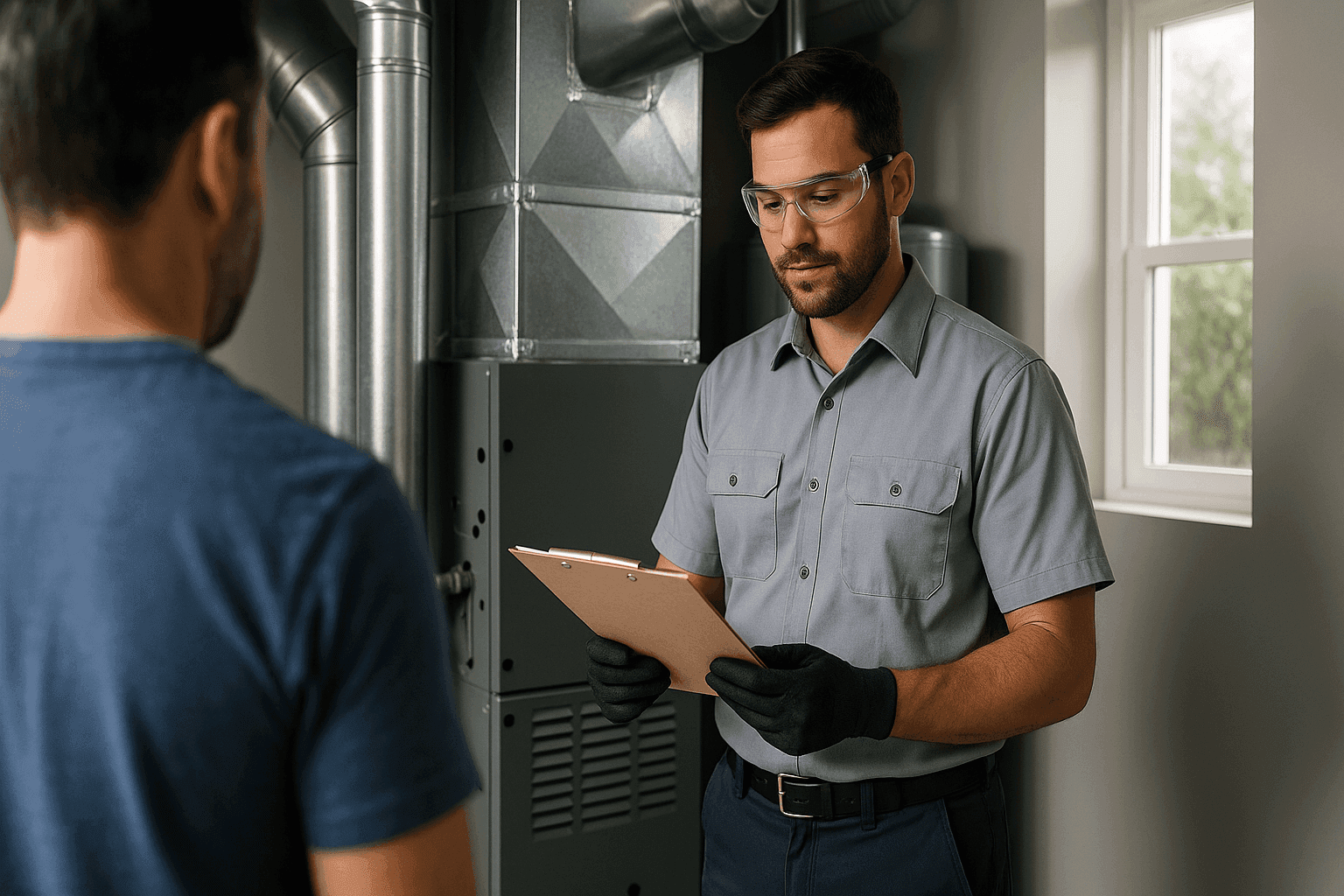
When your furnace fails, the clock seems to tick louder. The temperature drops. The worry rises. Whether you’re a homeowner or run a commercial space, the last thing you want is to be left in the cold—or stuck with a bill you didn’t expect.
At Briggs Heating, we know transparent, upfront information calms nerves and helps you plan. Here’s what you can really expect when facing furnace repairs, emergency hvac needs, or even a full system replacement.
Common Furnace Issues and Repair Costs 🛠️
Every furnace has its breaking point. Some issues are nagging annoyances. Others bring everything to a halt. Here’s a look at the typical culprits and what it may cost to get back up and running:
- Igniter or pilot light failures — Often $150–$350 for parts and labor.
- Thermostat malfunctions — Ranges from $90–$300 depending on model and complexity.
- Blower motor replacement — Usually $400–$1,500, with variable-speed units at the higher end.
- Dirty or clogged filters — Simple fix; $20–$60 including service call, but can lead to bigger issues if ignored.
- Cracked heat exchangers — This is serious. Repairs rarely make sense; expect $1,500–$3,500 for replacement or a possible full furnace install.
- Worn belts, bearings, or electrical issues — Repairs often fall between $100–$700, depending on access and parts.
- Flame sensor cleaning or replacement — $80–$250, depending on system age and type.
These are average ranges—real costs can shift based on your specific furnace, its age, and current market rates. According to the Air Conditioning Contractors of America (ACCA), regular maintenance can prevent many of these headaches.
What Affects Furnace Repair Pricing?
Not all furnace calls are created equal. A quick fix during business hours isn’t the same as a late-night emergency hvac visit. Here’s what goes into your bill:
Age and Brand of Equipment
- Older furnaces: Parts may be harder to find, pushing prices up. Out-of-production models can require custom solutions.
- Brand matters: Some brands use proprietary parts, which can cost more or take longer to arrive.
Type of Repair and Parts Needed
- Simple fixes (like sensors or relays) cost less than replacing motors or heat exchangers.
- Major component failures: If more than one part is down, costs can multiply quickly.
Urgency and Timing
- Emergency calls: Nights, weekends, or holidays mean higher rates—sometimes double standard pricing.
- Routine appointments: Scheduled maintenance or non-urgent repairs usually cost less.
Location and Accessibility
- Difficult access: Furnaces tucked into crawl spaces or tight basements may take longer, adding labor charges.
- Urban vs. rural: Travel distances and local supply chains can affect both timing and price.
Emergency vs. Routine Service Rates 🚨
Let’s talk numbers. Emergency hvac calls cost more for a reason. Technicians are dispatched day or night, often with overtime rates and immediate parts sourcing.
- Standard service call: $75–$250 for diagnostics, applied to your repair if you proceed.
- Emergency visit: $200–$600+ just for arrival, plus repair costs. Holiday or severe weather surcharges can apply.
- After-hours repairs: Expect a premium of 1.5x to 2x standard rates.
If you’re facing a true heating outage in freezing temperatures, paying extra for emergency service can be the difference between a minor inconvenience and frozen pipes.
Cost-Saving Tips for Homeowners
No one likes surprises—especially on a cold night. Here’s how to keep repair bills in check:
- Schedule annual maintenance. A well-maintained system is less likely to fail or need costly repairs (EPA recommends at least once a year).
- Change filters regularly. Dirty filters strain your furnace, causing breakdowns and higher heating bills.
- Watch for warning signs: Unusual noises, frequent cycling, or inconsistent heat can hint at bigger problems brewing.
- Know your furnace’s age. If your system is over 15 years old, weigh the cost of major repairs against the price of replacement.
- Ask for clear estimates upfront. Don’t be afraid to request a breakdown of labor, parts, and service fees before approving work.
- Consider a maintenance plan. These can offset routine costs and sometimes offer priority service.
Emergency vs. Routine: When Is It Worth Paying More?
If the heat is out and it’s below freezing, waiting isn’t an option. Emergency hvac service is sometimes the only answer. But not every issue needs a midnight call.
- Emergency: No heat, gas smell, carbon monoxide alarms, water leaks from the furnace.
- Routine: Small temperature swings, minor noises, or an overdue tune-up.
If you’re unsure, play it safe. Health and safety come first. The National Fire Protection Association (NFPA) also advises immediate action for gas leaks or carbon monoxide concerns.
Regional Pricing Note: Seasonal Surges 🌡️
Furnace repair costs can spike when the first cold snap hits. Demand skyrockets. Parts run low. Technicians book out fast. During these peak times—usually the first freeze or deep winter—expect both wait times and prices to climb.
Weather extremes matter. If you’re searching for “AC Repair near you” in summer or furnace repair in winter, budget accordingly. Planning repairs or upgrades in the off-season can save money.
How to Avoid Hidden HVAC Fees
No one likes fine print. Here’s what to watch for:
- Diagnostic fees: Make sure you know if this is applied to your repair or added on top.
- Travel charges: Especially in rural areas, extra mileage fees can sneak in.
- Parts markups: Ask for part numbers and verify what’s being installed.
- Unnecessary upgrades: Reputable techs will tell you what’s urgent and what can wait.
Clear communication stops surprise charges. Always get a written summary before work starts.
Frequently Asked Questions
How long does a typical furnace repair take?
Most routine repairs take 1–3 hours. Major issues or hard-to-find parts may require a return visit.
Will my homeowner’s insurance cover furnace repairs?
Usually, insurance does not cover wear and tear or typical breakdowns. Coverage may apply if damage is caused by a specific covered event (like a fire or flood).
Should I repair or replace my old furnace?
If repair costs approach half the price of a new system—and your furnace is over 15 years old—it’s often smarter to invest in a replacement. An energy-efficient install can also lower your heating bills.
What about code and safety requirements?
All furnace repairs must meet local building codes and manufacturer standards. The International Residential Code (IRC) and state guidelines dictate safe installation and repair practices. Licensed HVAC pros follow these rules to protect your home and family.
Local and Seasonal Considerations
In colder regions, furnace reliability is a lifeline—not a luxury. Sudden temperature drops can push even healthy systems to the brink. Plan ahead:
- Book maintenance before winter hits.
- Be proactive: If your furnace was “just getting by” last year, don’t wait for the first freeze.
- Remember commercial spaces: Businesses face unique code and uptime requirements—don’t let a breakdown put your operations on ice.
If you’re searching for reliable emergency hvac or “AC Repair near you,” Briggs Heating is ready 24/7. Transparent, honest, and here when you need us most.
Call Briggs Heating now — or reach us anytime at 877-748-7966 .