Generator Maintenance for Storms & Outages: Essential Checklist
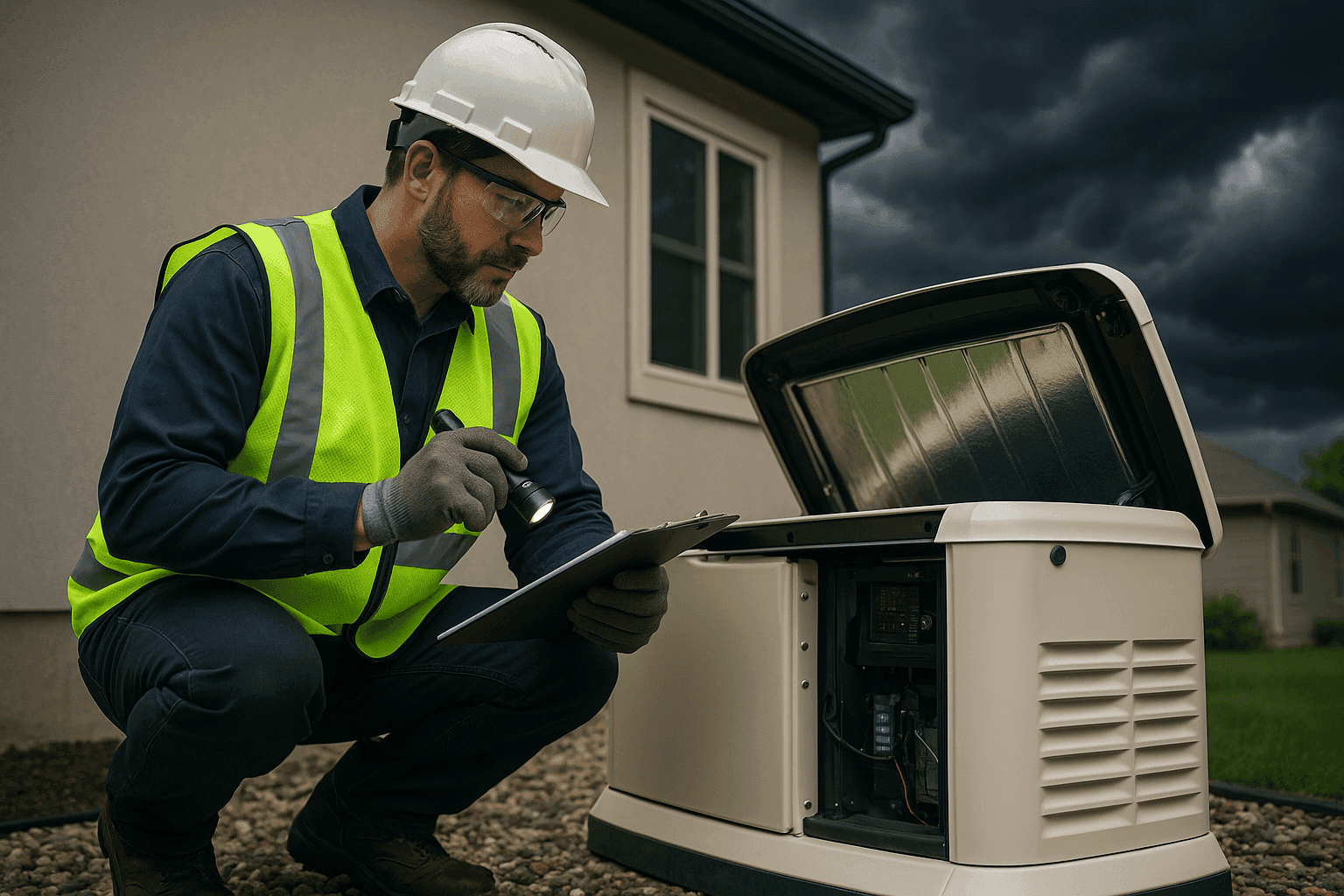
When the sky darkens, and storms threaten to knock out power, your generator becomes the unsung hero. But like any hero, it needs prep. Neglect it, and you risk sitting in the dark—your HVAC silent, food spoiling, and your business at a standstill.
At Briggs Heating, we see it every storm season. Families and companies left scrambling because their backup generator wasn’t ready. Let's change that. Here’s a field-tested, code-aware checklist to get you ready—no jargon, just real steps.
Why Generator Maintenance Matters for Emergencies
Power outages don’t wait for a convenient time. In the middle of the night, during a holiday dinner, or when your building’s HVAC is straining against a heatwave—your generator is the safety net.
But only if you’ve treated it right. Routine maintenance can be the difference between calm confidence and a costly scramble for emergency hvac help. As the National Fire Protection Association (NFPA) and manufacturers like Generac and Cummins note, regular checks are critical for safe, reliable operation.
Pre-Storm Checklist: Your Backup Power Musts ⚡
Don’t wait until the wind is howling. Here’s what needs attention before the forecast turns rough:
- Fuel Supply: Top off tanks. For gas units, check for leaks and proper shutoff valves. Diesel? Make sure the fuel is fresh—old fuel won’t cut it when it’s crunch time.
- Oil and Coolant: Like a car, your generator needs clean oil and the right coolant level. Check manufacturer specs for change intervals. Dirty or low oil is a recipe for a breakdown.
- Battery Check: Batteries are notorious for quitting at the worst moment. Test voltage. Clean terminals. Replace if more than 3 years old.
- Transfer Switch: This device tells your generator when to kick in. Cycle it manually. Listen for clicks. If it sticks or hesitates, call Briggs Heating.
- Test Run: Fire it up. Let it run under load for at least 20 minutes. Listen. Smell. Any strange noises or odors? That’s your early warning.
Tip: Always keep flashlights and a manual handy. If you’re unsure, NFPA 110 covers emergency power standards for both residential and commercial setups.
HVAC Compatibility: Can Your Generator Handle the Load?
Your generator doesn’t just power lights. In summer or winter, your HVAC is the top energy hog. If your backup unit can’t keep up, the system may stall—or worse, damage sensitive electronics.
How to Check:
- Wattage Audit: Add up the starting and running watts of your AC, furnace, and essential appliances. Most HVAC systems need a higher surge wattage at startup.
- Load Shedding: Consider automatic load management if your generator is smaller than your total needs. This lets it prioritize HVAC or critical systems.
- Talk to a Pro: Briggs Heating’s certified techs can help size your generator, making sure it works with your specific heating and cooling system. No guessing.
Remember: Overloading isn’t just inconvenient. It risks damage and fire. Always follow manufacturer guidelines and refer to the National Electrical Code (NEC).
After-Storm Steps: Inspect, Restart, Safeguard 🌧️
Storm’s over, but you’re not done yet. Here’s what to do before you settle back into normal:
- Visual Inspection: Walk around your generator. Look for debris, water intrusion, or animal nests.
- Check Exhaust and Intakes: Blockages can choke performance or cause dangerous carbon monoxide buildup.
- Electrical Connections: Make sure wires and terminals are dry and secure.
- Safe Restart: Only restart the generator if you’re sure the area is dry and safe. If you smell gas or see sparks, shut it down and call Briggs Heating.
- Monitor for Codes/Alarms: Most modern generators display error codes. Don’t ignore them. They’re clues, not annoyances.
Pro tip: Consult your owner’s manual and NFPA 37 for post-storm safety guidelines.
Commercial Considerations: Bigger Systems, Stricter Rules 🏢
Business and large-building generators aren’t just scaled-up versions of home units. They must comply with stricter codes and face higher stakes if they fail.
- NFPA 110 Compliance: Many commercial systems must run test cycles documented by law.
- Transfer Switches: Some buildings use multiple transfer switches—each needs inspection.
- Load Banking: For large generators, periodic load testing is required to prevent “wet stacking” (unburned fuel buildup).
- Life Safety Systems: Generators may power emergency lighting, elevators, and fire suppression. Downtime isn’t an option.
Briggs Heating’s certified generator technicians are trained to handle both residential and commercial maintenance, following all NFPA and manufacturer protocols.
Practical Tips: Keep Your Generator Ready
- Monthly Test Runs: Run the generator under load at least once a month.
- Keep a Log: Track fuel, oil, battery checks, and test results. It’s your generator’s diary.
- Replace Filters: Air and fuel filters clog up—replace per manufacturer schedule.
- Clear the Area: Leaves, snow, or clutter can block airflow and cause overheating.
- Schedule Annual Professional Service: Even the best DIY routine can miss hidden issues.
DIY or Call a Pro? When to Get Help
Some tasks—fueling, checking oil, visual inspection—are fine for most owners. But when you spot leaks, electrical issues, or error codes you don’t recognize, it’s time to call in a certified technician.
Remember, Briggs Heating techs are background-checked, certified, and up to date on the latest NFPA and manufacturer standards. We don’t cut corners. Neither should you.
What the Pros Do on Arrival
When you call in Briggs Heating for emergency hvac or generator service, here’s what our certified team checks:
- Full System Diagnostic
- Electrical Load Testing
- Transfer Switch Functionality
- Oil, Coolant, and Filter Status
- Control Panel & Alarm Review
- NFPA & Manufacturer Compliance
We use manufacturer-specific diagnostic tools—no guesswork. If repairs are needed, we use approved parts and document all work for your records.
Prevention & Scheduled Maintenance
The best emergency is the one that never happens. Regular generator maintenance isn’t just about peace of mind—it’s about compliance, safety, and keeping your business or family protected.
- Quarterly Pro Inspections: Especially for commercial sites.
- Annual Deep Clean: Flush old fuel, change all fluids, and check wiring.
- Update Your Preparedness Plan: Roles, manuals, emergency contacts.
Costs & Time Factors
- Time: Most home generator checks take 1–2 hours. Commercial systems may take half a day.
- Parts: Batteries, filters, oil—budget for annual replacement.
- Service: Professional inspections are a small price compared to a failed backup during a blackout.
A little time and investment now saves major stress—and emergency hvac costs—later.
When It’s an Emergency
If your generator won’t start, is leaking fuel, or triggers alarms during a storm or outage, don’t gamble. Power loss can be life-threatening, especially with medical devices, refrigeration, or critical HVAC systems on the line.
Call Briggs Heating for 24 hour emergency service. We’ll send a certified tech who knows generators inside and out.
FAQ: Generator Emergency Maintenance
What’s the most common failure point?
Batteries. They quietly wear out, especially in cold climates.
How often should I change the oil?
Check your owner’s manual—usually every 100–200 hours of run time, or annually.
Can I run my AC and heat at the same time during an outage?
Only if your generator is sized for that total load. Otherwise, stagger use.
How do I know if my generator is safe to use after a flood?
Never start a generator that’s been submerged. Call for a professional inspection first.
Local/Seasonal Considerations
If you’re in an area with harsh winters or stormy summers, prep early. Cold snaps sap battery life. Heavy rains can flood low-lying generators. In wildfire-prone areas, keep the area clear of brush.
Always check local codes—they may require additional safety measures or reporting for standby power systems.
Be ready before the next outage. Whether it’s routine maintenance, emergency hvac needs, or a quick check before the storm hits, Briggs Heating is here to help.
Call Briggs Heating now — or reach us anytime at 877-748-7966 .