Heating & Cooling During Power Outages: Generator Safety Tips
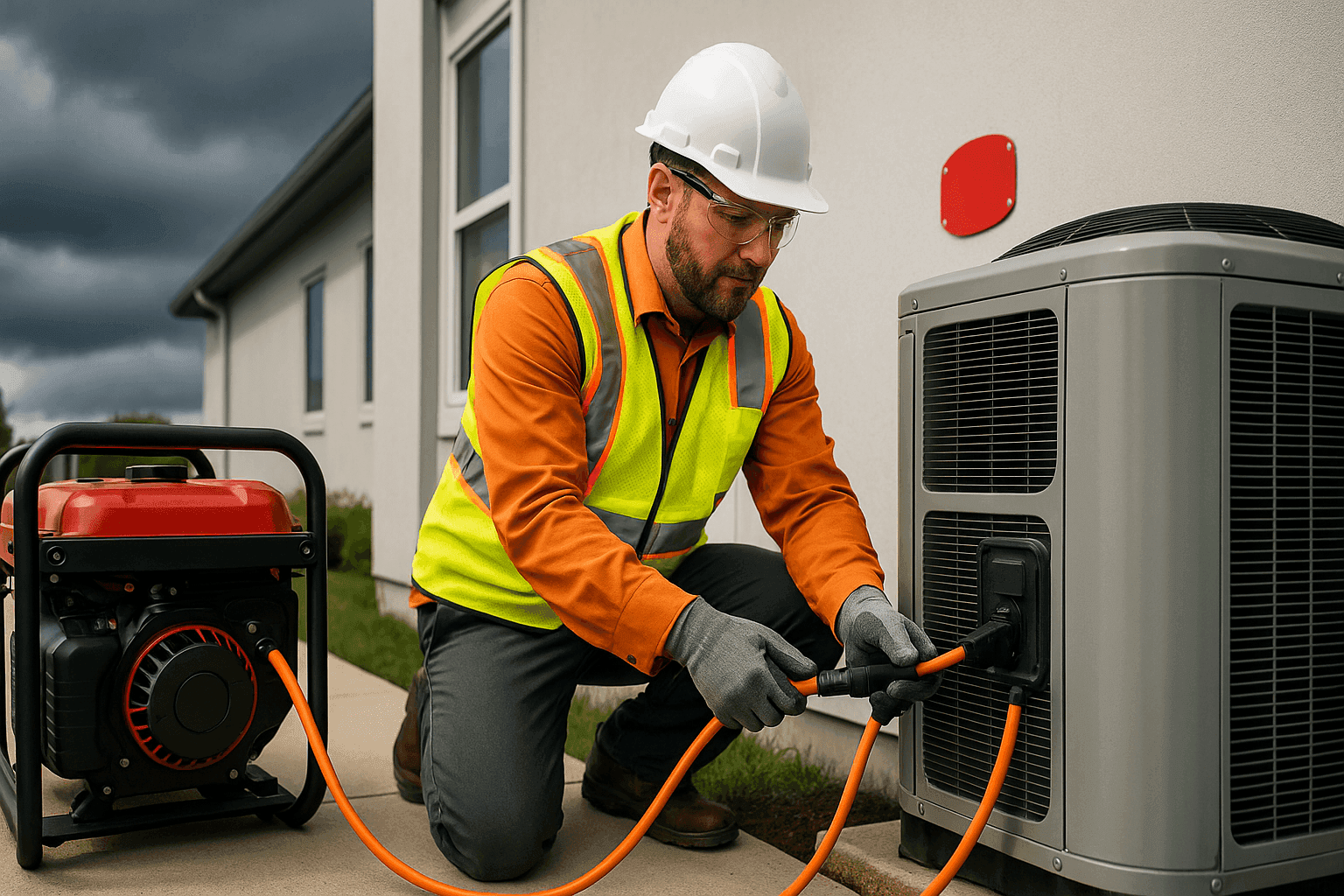
When the lights go out, staying comfortable isn’t just about convenience—it can be a matter of health and safety. Whether it’s summer’s blistering heat or winter’s deep freeze, power failures can put both homes and businesses at risk fast.
At Briggs Heating, we know that emergencies don’t wait for business hours. That’s why we offer true 24/7 emergency hvac support—so your family, tenants, or team can stay safe and your property protected, even when the grid goes down.
Why Backup Power Matters ⚡
Picture this: A thunderstorm hits. The streetlights flicker, and suddenly… silence. Your AC hums to a stop, the furnace blower dies, and the air gets heavy and uncomfortable. For homeowners, this means rising stress and falling indoor air quality. For businesses, it can mean lost product, frustrated customers, and expensive downtime.
Backup generators can bridge the gap, but only if they’re set up safely and correctly. Running your HVAC on a generator isn’t as simple as plugging it in—there are risks to avoid and steps to follow.
Safe Generator Setup
A generator is like a life raft in a flood—reliable only if it’s ready and used properly. Here’s how to steer clear of common hazards:
Load Calculations: Don’t Overload Your Lifeline
- Know your HVAC’s power draw. Every AC or furnace has a nameplate with its wattage or amperage. Add up everything you’ll need to run—blowers, controls, sump pumps, lights.
- Match load to generator size. If your generator is too small, it could stall, overheat, or even damage your HVAC equipment.
- Stagger startups. Don’t turn everything on at once. Allow the generator to stabilize before starting major appliances.
Ventilation: Generators Need to Breathe
- Never run generators indoors. Garages, basements, and crawlspaces are off-limits. Carbon monoxide (CO) can build up fast—silent and deadly.
- Place generators outside, at least 20 feet from doors, windows, and vents. Wind direction matters—keep exhaust blowing away from living or working spaces.
Fuel Storage: Handle with Care
- Store fuel in approved containers. Keep gasoline, diesel, or propane outside, away from ignition sources.
- Rotate fuel stocks. Old fuel can gum up engines and cause breakdowns when you need power most.
Carbon Monoxide Safety: Invisible Danger
- Install CO detectors on every level of your home or building. Change batteries annually.
- Test detectors monthly. If a CO alarm sounds, shut down the generator and get outside fast.
Transfer Switches: The Safe Connection
- Only use a transfer switch (manual or automatic) installed by a licensed electrician. This prevents dangerous “backfeeding” into utility lines, which can injure workers and neighbors.
- Never plug a generator directly into a wall outlet. Always use dedicated, properly sized cords.
References: National Fire Protection Association (NFPA 110: Standard for Emergency and Standby Power Systems), manufacturer safety manuals.
Protecting Your HVAC Equipment 🛠️
Generators are powerful, but they aren’t gentle giants. Protect your investment by following these tips:
Surge Protection
- Install surge protectors on major HVAC appliances and the generator output. Power spikes during startup or grid restoration can fry sensitive electronics.
System Sequencing
- Prioritize essentials. Run only what you need: heating, cooling, refrigeration, and medical equipment.
- Let systems rest. Give motors a minute or two between cycles to avoid overloading the generator.
Regular Maintenance
- Check filters, belts, and safety switches before and after outages.
- Schedule annual tune-ups for both your HVAC system and generator. Small issues can turn into big failures under emergency loads.
When to Call a Pro ☎️
Some things you can handle with a wrench and a steady hand. Others need a trained eye.
- Call Briggs Heating if:
- Your generator won’t start, makes odd noises, or trips breakers.
- You suspect wiring issues or see flickering lights.
- There’s a burning smell, visible smoke, or signs of CO exposure.
- Your HVAC system won’t run on generator power, or cycles repeatedly.
Remember: Professionals follow NFPA codes, local ordinances, and manufacturer guidelines. Your safety is always worth the call.
Storm & Emergency Prep Checklist
Be ready before the clouds roll in. Here’s what to check:
- Test your generator with a full load (including HVAC) at least once per season.
- Stock up on fresh fuel in proper containers.
- Check HVAC filters, batteries in thermostats, and CO detectors.
- Review your transfer switch operation and keep instructions handy.
- Secure outdoor units and clear debris from vents.
- Know your HVAC’s power needs—label circuits and keep a copy by the generator.
- Keep Briggs Heating’s number on your fridge—or saved in your phone.
DIY vs. Call a Pro
Some tasks are straightforward. Others? Not so much.
Good DIY Tasks
- Testing your generator monthly (without loads).
- Changing filters and batteries.
- Visual inspections for leaks or corrosion.
Call a Pro For
- Installing or upgrading transfer switches.
- Sizing a generator for your property.
- Electrical troubleshooting.
- Emergency hvac repairs or adjustments during prolonged outages.
What Pros Do On Arrival
When you call Briggs Heating, here’s how we help:
- Inspect and test generator-startup and transfer switch operation.
- Check wiring, panelboards, and load management.
- Assess HVAC equipment for damage, overheating, or electrical faults.
- Restore safe operation and recommend upgrades if needed.
- Provide guidance on NFPA and manufacturer requirements for your building type.
Prevention & Maintenance
Don’t wait for the next storm. Prevention is your best defense.
- Schedule annual home energy audits to spot weaknesses.
- Replace aging thermostats, humidifiers, and control boards before they fail.
- Clean ducts and vents—blocked airflow can strain both HVAC and generator.
- Maintain clear records of maintenance and repairs.
Costs & Time Factors
Every property is different, and so are the costs. Here’s what to expect:
- Generator installation: Varies by size, fuel type, and complexity.
- Transfer switch installation: Often completed in a few hours for residential; commercial jobs may take a day or more.
- Emergency HVAC service: Time depends on the scope—simple fixes may take an hour; complex repairs could require parts or follow-up visits.
- Maintenance: Regular checks are quick and affordable compared to emergency calls.
Remember, safety shortcuts can cost more in the long run—protect your investment and your peace of mind.
When It’s an Emergency
Some signs you should act immediately:
- CO alarms sounding or anyone feeling dizzy, nauseous, or confused.
- Smoke, fire, or strong fuel odors.
- Generator or HVAC system sparking, arcing, or overheating.
- Water damage near electrical components.
- Prolonged outages with extreme weather (hot or cold).
In these moments, don’t wait—turn off equipment if it’s safe, evacuate if needed, and call for help.
FAQ: Your Generator & HVAC Questions, Answered
Can I run my whole HVAC system on a portable generator?
Usually not—the average portable generator can’t handle central air or large commercial units. Most can run a furnace blower, smaller AC, or a few essentials. Always check your system’s wattage.
What’s the safest generator setup for businesses?
Commercial properties need larger standby generators, professional load calculations, and often multi-zone transfer switches. NFPA 110 and local codes set strict rules for commercial backup systems.
How often should I test my generator and HVAC setup?
Test your system with a full load before each storm season—twice a year is ideal. Monthly “no load” tests keep things ready.
What’s the risk of running a generator in a garage or basement?
High. Even with the door open, carbon monoxide can build up fast and is deadly. Always run generators outdoors, away from entry points.
Local & Seasonal Considerations
- Cold climates: Frozen pipes can burst without heat. Keep backup heat sources ready.
- Hot climates: Loss of AC can cause heat exhaustion, especially for kids or seniors.
- Storm-prone areas: Secure outdoor units and keep extra fuel and filters on hand.
- Urban settings: Follow building codes for generator placement—some cities restrict portable generator use on balconies or rooftops.
- Commercial spaces: Larger square footage means more load—plan accordingly.
NFPA, OSHA, and HVAC manufacturer manuals are your best friends for up-to-date safety and code requirements.
Be proactive. Protect your comfort, your investment, and—most importantly—your safety. For emergency hvac help, generator questions, or AC Repair near you, Briggs Heating is always on call.
Call Briggs Heating now — or reach us anytime at 877-748-7966 .