How Much Does AC Repair Really Cost? 2024 Guide
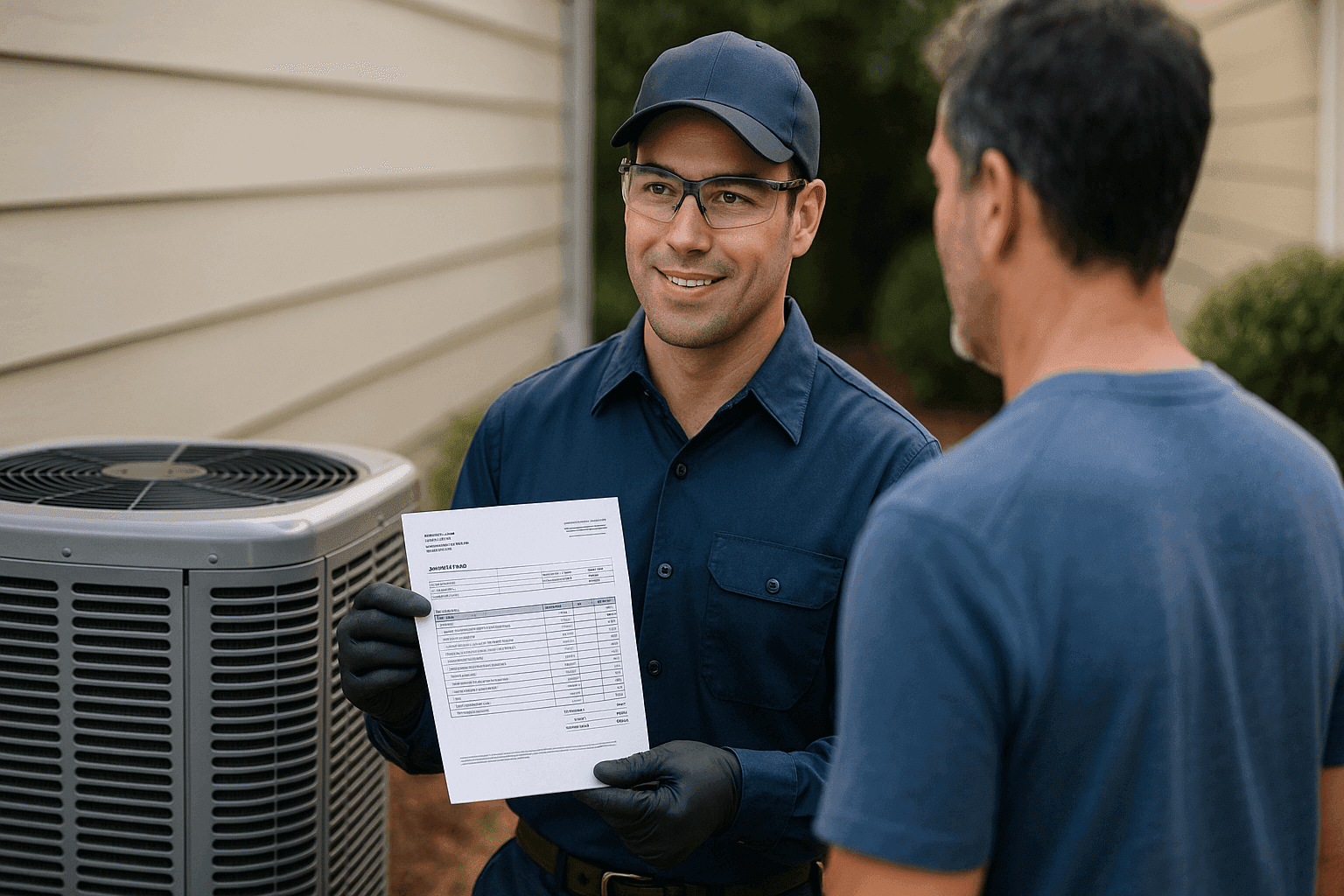
Sweating over a busted AC in the middle of summer? Or maybe your office’s cooling system is making that odd rattle—right before a big meeting. We get it. No one likes surprise repair bills, especially when the heat is on.
At Briggs Heating, we’re here 24/7 because real emergencies don’t clock out. Whether you’re a homeowner or managing a commercial space, understanding AC repair costs helps you plan, budget, and breathe easy.
National Average AC Repair Costs 🏷️
What should you expect to pay for AC repair in 2024? The numbers can feel as unpredictable as a summer thunderstorm, but national data offers a clear baseline.
- Residential AC repair: Most homeowners pay between $200 and $650 for a typical repair, according to HomeAdvisor and Angi.
- Commercial AC repair: Ranges from $500 to $2,500 or more, depending on system size and complexity (per Facility Executive and industry surveys).
Keep in mind, these are average ranges. Some fixes—like a simple capacitor swap—run on the low end. Major issues, such as a failed compressor or a refrigerant leak, can push the bill higher.
Factors Affecting the Price
The sticker on your final invoice doesn’t come out of thin air. Here’s what shapes the cost:
Parts
- Capacitors, fuses, or contactors: $75–$300
- Thermostats: $100–$450 (smart models cost more)
- Compressors: $900–$2,000+ (residential); commercial units can be higher
- Refrigerant: $100–$350 per pound (type and amount matter)
- Motors & Fans: $200–$800
Labor
- Standard rates: $75–$150 per hour for residential; $95–$250+ for commercial systems
- Experience matters: Seasoned techs may cost more, but they often diagnose and fix issues faster.
Urgency
- After-hours/emergency hvac calls: Expect a premium. Emergency service can add $150–$500+ to your bill, especially on nights, weekends, or holidays.
- Same-day vs. scheduled: Routine calls booked in advance are almost always less expensive.
System Size & Location
- Larger or rooftop commercial systems: More labor, special equipment, and sometimes permits.
- Accessibility: Hard-to-reach units (attics, crawlspaces, rooftops) take longer, increasing labor time.
Emergency vs. Routine Costs
Let’s break it down with real-world examples:
Example 1 – Residential: Blown Capacitor
- Routine visit (weekday): $250 total—15 minutes, standard part, no rush.
- Emergency (Sunday night): $400–$500—includes emergency hvac dispatch fee and after-hours labor.
Example 2 – Commercial: Refrigerant Leak
- Routine (scheduled maintenance): $1,200—includes diagnosis, repair, and recharge.
- Emergency (restaurant, peak hours): $2,000+—rush arrival, multiple techs, urgent parts sourcing.
Emergency Premiums — Why They Exist
Think of it like calling a locksmith at midnight: you’re paying for someone to drop everything and help, right away. These fees reflect overtime pay, travel, and the cost of keeping skilled technicians on standby. Transparency matters—at Briggs Heating, we always break down the costs so you know exactly what you’re paying for.
Signs AC Repair Is Worth It
When your system sputters, the question is: repair or replace? Here are signs a repair makes sense:
- System under 10 years old and hasn’t had major issues before.
- Repair cost less than one-third the price of a new system.
- Problem is isolated (like a broken thermostat, not a failing compressor).
- Energy bills are stable and the unit generally cools well.
But if you’re patching the same problem every few months, or your system is older than your first smartphone, talk to a pro about replacement.
How to Avoid Overpaying
No one wants to feel taken for a ride. Here’s how to protect your wallet:
- Ask for an itemized estimate: Demand transparency—see labor, parts, and fees separately.
- Beware of upselling: If you’re told you need a full system replacement on the first visit, get a second opinion.
- Check credentials: Only use licensed, insured technicians. In most states, this is required by law (see U.S. Department of Energy HVAC guidelines).
- Schedule routine maintenance: Prevent breakdowns and spot small issues before they balloon.
- Know your unit’s age and warranty: Some repairs may be covered.
If something feels off—like pressure to buy expensive add-ons or vague pricing—trust your gut and ask questions.
Residential vs. Commercial AC Repair: Cost Differences
Residential systems are often simpler, with lower parts and labor costs. Think of it as repairing a family sedan.
Commercial systems are more like commercial trucks—bigger, more complicated, and often custom-built. Repairs can involve:
- Multiple zones or thermostats
- Rooftop or split systems
- After-hours or overnight work to avoid disrupting business
- Specialized parts that may need to be ordered
Commercial jobs can also include extra charges for permits, safety protocols, and more extensive diagnostics.
Real-World AC Repair Cost Ranges
| Scenario | Residential (Typical) | Commercial (Typical) | |----------|----------------------|----------------------| | Thermostat Replacement | $150–$450 | $300–$900 | | Refrigerant Recharge | $250–$750 | $800–$2,000 | | Compressor Replacement | $900–$2,000 | $1,500–$4,000+ | | Emergency Fee (After Hours) | $150–$500 | $300–$800 |
Note: Costs vary by location, system type, and urgency. For code compliance, see the International Mechanical Code (IMC) and local licensing rules.
When It’s an Emergency
Not sure if it’s time to call emergency hvac help? Here are true emergencies:
- No cooling and outside temps are dangerously high (especially with elderly, infants, or medical needs at home)
- Electrical burning smell, smoke, or sparking
- Flooding, leaking refrigerant, or water near electronics
- Commercial building at risk of closing or product loss
If you’re sweating buckets but the situation isn’t life-threatening, you might save by waiting for a regular appointment.
Tips to Spot Upselling
- “Your system is unsafe, replace it now!”—Ask for proof and a written report.
- Pushy offers on duct cleaning or air scrubbers—These have their place but aren’t always urgent.
- “Only this part will work”—Ask if there are alternative options.
A reputable technician welcomes questions.
Frequently Asked Questions
How long does an AC repair take?
Most residential repairs are done in 1–3 hours. Major commercial fixes can take a day or more, especially if parts need to be ordered.
Is it cheaper to repair or replace my AC?
If your unit is under 10 years old and the repair is less than a third of replacement cost, repair is usually best. Old, inefficient units often cost more in the long run.
Does insurance cover AC repair?
Not usually. Standard homeowners’ or commercial policies don’t cover wear and tear, but may help if damage is from a covered peril (like a storm or fire).
Can I wait to fix minor AC issues?
Small problems can turn into big ones. A clogged filter, for example, can cause motor burnout if ignored. Schedule repairs quickly to avoid higher costs.
Local & Seasonal Considerations
Peak summer means higher demand for AC Repair near you. Expect longer waits—and sometimes higher prices—during heat waves. In colder months, some repairs may be discounted. Local codes and permitting processes can impact commercial repair times and costs, especially in large metro areas or older buildings.
Final Thoughts
AC repair costs in 2024 don’t have to be a mystery. Understanding what drives the bill—and knowing when an emergency hvac call is worth it—puts you in control. Whether it’s your home or business, transparent pricing and smart questions make all the difference.
Call Briggs Heating now — or reach us anytime at 877-748-7966 .