How to Choose the Right HVAC System for Your Home or Business
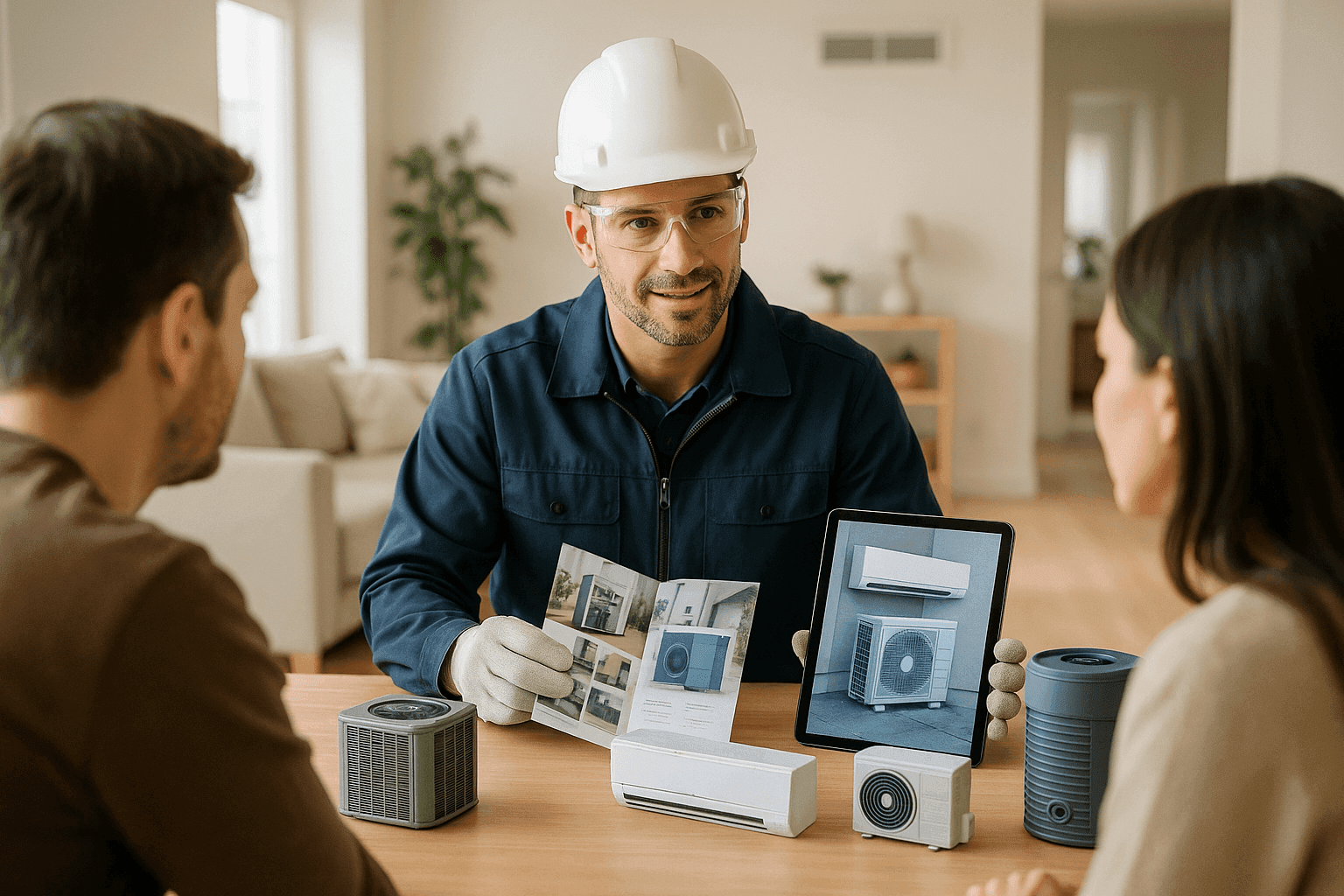
Feeling too hot in summer or shivering through winter? Choosing the right HVAC system is more than picking a brand—it’s about finding the right fit for your space, lifestyle, and budget. At Briggs Heating, we've helped countless homeowners and businesses make this important decision, especially when you need emergency hvac or AC Repair near you.
The right system means comfort that lasts, lower bills, and peace of mind—whether you’re running a busy office, a cozy café, or your family’s home. Let’s break down what matters most.
HVAC System Types: What Are Your Options? 🌡️
Every building’s needs are unique—like finding the perfect pair of shoes. Too small, and you’ll feel cramped. Too big, and you’ll trip over your own feet. Here’s a quick guide to the main types of HVAC systems:
- Central Air Systems: The classic “all-in-one.” Distributes cool or warm air throughout the building using ductwork. Great for larger homes and most offices.
- Mini-Split Systems: Like having a personal climate zone in every room. No ducts needed—ideal for additions, older homes, or spaces where you want more control.
- Geothermal Systems: Uses stable earth temperatures to heat and cool. Higher upfront, but major long-term savings. Especially energy-efficient per U.S. Department of Energy (DOE) guidelines.
- Radiant Heating: Think warm floors on a cold morning. Pipes or electric mats heat surfaces directly—quiet, even, and cozy.
- Whole-House Fans: Pull fresh air in and push hot air out. Great for mild climates or as a supplement to AC, but not a full replacement for heating or cooling.
Each system has its own personality. Some run quietly in the background. Others put you in total control of every zone. It’s all about matching the system to your building—and your daily life.
Residential vs. Commercial Needs: One Size Does Not Fit All 🏠🏢
A home and a business may both need comfort—but their HVAC demands are worlds apart.
Residential Needs
- Size: Most homes need careful sizing. Too big, and you waste energy. Too small, and you’re never comfortable.
- Zoning: Want bedrooms cooler than living spaces? Zoning gives you that flexibility.
- Controls: Smart thermostats let you set schedules, save energy, or adjust from your phone.
Commercial Needs
- Capacity: Offices, restaurants, and warehouses require systems designed for higher loads—often with heavy-duty components.
- Air Quality: Higher occupancy means more focus on ventilation and filtration. Indoor Air Quality (IAQ) testing is key.
- Controls: Building automation can manage multiple zones, air handlers, and schedules for efficiency and comfort.
Briggs Heating has years of experience designing, installing, and maintaining systems for both homes and businesses. From mini-splits in small shops to full-scale rooftop units, we know how to tailor a solution to fit.
Key Selection Factors: What Really Matters
Don’t get lost in the weeds. Focus on what counts most for comfort, safety, and efficiency.
1. Local Climate
- Hot and humid? Look for systems with strong dehumidification and efficiency ratings.
- Cold winters? Prioritize heating power and energy savings.
- Seasonal swings? Heat pumps or dual-fuel systems offer flexibility.
2. Energy Use and Efficiency
- SEER/EER Ratings: Higher numbers mean better cooling efficiency (required by DOE standards).
- AFUE/HSPF: Look for these ratings on furnaces or heat pumps. The Air-Conditioning, Heating, and Refrigeration Institute (AHRI) certifies performance.
- Long-term savings: More efficient systems cost less to run, even if they cost more up front.
3. Upfront vs. Long-Term Costs
- Installation: Ductwork, electrical, or system upgrades affect initial price.
- Maintenance: Some systems (like geothermal) need less frequent service. Others (like traditional AC) need regular filter changes and checkups.
- Repairs: Availability of parts and trained technicians matters.
4. Noise
- Residential: Quiet operation is a must for bedrooms and living rooms.
- Commercial: May tolerate more noise in utility areas, but not in customer spaces.
5. Indoor Air Quality
- Filtration: HEPA or MERV-rated filters trap more dust and allergens.
- Humidity Control: Humidifiers or dehumidifiers can be added for comfort and health.
- Air Scrubbers: Kill germs and reduce odors—especially important for businesses and allergy-prone households.
Installation Considerations: What to Expect 🛠️
Every installation is a little different, but here’s what to plan for:
- Ductwork: If your building has ducts, they may need cleaning, sealing, or upgrading. No ducts? Mini-splits or radiant systems are duct-free.
- Retrofits: Older homes and buildings often need creative solutions. Sometimes, sheet metal work or new wiring is involved.
- Timelines: Simple replacements can be done in a day. Larger projects or full system upgrades may take several days to a week.
- Permits & Codes: Installers must follow local, state, and federal codes—including safety standards from the DOE and AHRI.
- Access: Tight spaces, crawlspaces, or roof units can add time and complexity.
Briggs Heating’s team is fully trained and certified in all major system types and installation methods. We handle the planning, permits, and details—so you don’t have to.
Practical Tips from Briggs Heating
- Change filters every 1–3 months, or more often with pets or allergies.
- Schedule annual maintenance for heating and cooling systems.
- Test your thermostat and update schedules seasonally.
- Ask about rebates or incentives for efficient systems (check with your utility company).
- Consider a home energy audit for a full picture of your building’s needs.
FAQs
How do I know what size HVAC system I need?
Sizing is based on your building’s square footage, insulation, number of windows, and climate. A professional load calculation (Manual J for homes, Manual N for businesses) is the gold standard. Guessing can lead to big mistakes—always get a pro to measure.
What’s the difference between a heat pump and traditional AC?
A heat pump both heats and cools using electricity—making it efficient for mild climates. Traditional AC only cools. In cold regions, heat pumps may need a backup heat source.
How often should I replace my HVAC filters?
Most filters should be changed every 1–3 months. If you have allergies, pets, or a high-traffic business, check monthly. Dirty filters reduce efficiency and can damage your system.
Is it worth upgrading to a smart thermostat?
Yes—smart thermostats save energy, add convenience, and often pay for themselves. They’re especially useful for businesses with variable hours or homes with changing schedules.
Local and Seasonal Considerations
- Winter: Schedule heating maintenance before cold weather arrives. Insulate pipes and check for drafts.
- Summer: Test AC early, clean condenser coils, and clear outdoor units.
- Pollen Season: Upgrade to higher-rated filters and consider air scrubbers.
- Storms & Power Outages: Consider generator installation and maintenance for peace of mind.
When to Call for Emergency HVAC
If you’re facing a no-heat situation in winter, AC failure during extreme heat, or sudden strange noises and smells—don’t wait. Emergency hvac services exist for a reason. Your comfort and safety matter.
Ready to Choose the Right System?
Don’t go it alone. Whether you’re building new, upgrading, or facing an emergency, Briggs Heating is ready to help you navigate the options with confidence. Our experience covers every system—every size, every space.
Call Briggs Heating now — or reach us anytime at 877-748-7966 .