Maximizing HVAC Efficiency: Essential Maintenance Tips for Year-Round Comfort
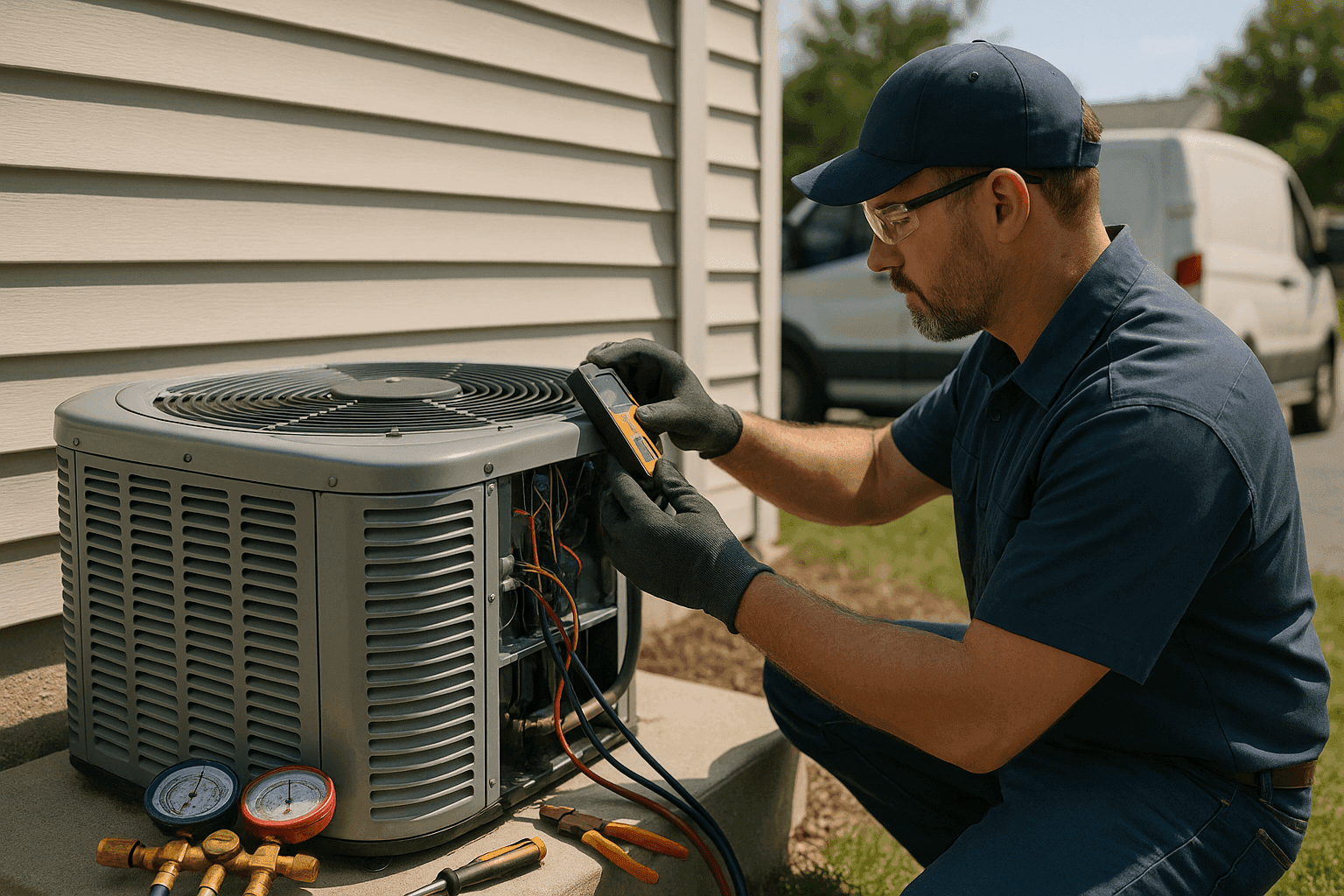
Every homeowner and small business owner knows the feeling: the air stops blowing cold on a sticky day, or the furnace sputters during a deep freeze. When comfort is on the line, your HVAC system isn’t just background noise—it’s the heartbeat of your space.
At Briggs Heating, we’ve seen it all. When your heating or cooling quits unexpectedly, it’s more than an inconvenience. That’s why a little regular care—plus knowing when to call in emergency HVAC help—can make all the difference.
Why HVAC Maintenance Matters
Think of your HVAC system like the engine of a car. Without oil changes and tune-ups, things break down fast. The same goes for your furnace, AC, or mini-split. Regular maintenance keeps the air flowing, energy bills in check, and costly emergencies at bay.
The U.S. Department of Energy recommends annual professional HVAC inspections and routine filter changes to maximize efficiency and indoor air quality. Skipping these basics is like ignoring a check engine light—it can lead to bigger, more expensive problems down the road.
Quick Safety Checklist 🛡️
Before you dive into any maintenance, safety comes first. Here are a few essentials:
- Turn off power to your HVAC unit at the breaker before inspecting or cleaning.
- Check for gas smells or electrical burning odors. If you notice either, leave the area and call a professional immediately.
- Wear gloves and a mask when handling filters or cleaning ducts to protect against dust and allergens.
- Ensure proper ventilation if working near fuel-burning appliances.
- Have a fire extinguisher nearby, just in case.
If you’re ever unsure, don’t risk it—call a pro.
DIY or Call a Pro? Knowing Your Limits
Some HVAC upkeep is simple and safe for most people:
- Changing air filters (every 1–3 months)
- Vacuuming vents and registers
- Gently rinsing AC condenser coils with a garden hose (power off)
- Checking thermostat batteries
But when it comes to:
- Electrical issues
- Refrigerant leaks
- Furnace repairs
- Duct cleaning beyond what you can reach
- Generator installation or maintenance
It’s time to call in a certified technician. Not only is it safer, but it’s also required by building codes and EPA regulations for handling refrigerants.
What Pros Do On Arrival
When you schedule professional HVAC maintenance—or call for emergency HVAC help—expect a thorough process. Here’s what a licensed tech from Briggs Heating typically checks:
- Full system inspection: Looking for worn parts, leaks, and safety hazards.
- Filter replacement: Ensuring clean airflow for efficiency and health.
- Thermostat calibration: Making sure your settings are accurate and responsive.
- Ductwork review: Checking for leaks, blockages, or buildup that can choke performance.
- Electrical and gas connections: Tightening, testing, and ensuring safety to national standards (referencing the National Fire Protection Association and ASHRAE guidelines).
- Performance testing: Measuring airflow, temperature splits, and system cycling.
This isn’t just a quick look—industry standards call for a deep dive to keep your system running strong.
Prevention & Maintenance: Year-Round Checklist
Keeping your HVAC humming doesn’t have to be complicated. Here’s what to focus on each season:
Spring & Summer
- Replace or clean filters every 1–3 months.
- Clear debris from around outdoor AC units.
- Inspect refrigerant lines for insulation damage.
- Test your thermostat—consider upgrading to a programmable model.
- Schedule professional AC maintenance before the first heatwave.
Fall & Winter
- Change filters again—dust builds up fast with closed windows.
- Check furnace burners for dust and corrosion.
- Inspect carbon monoxide detectors and replace batteries.
- Have your furnace or heat pump serviced before the first cold snap.
- Clean and test humidifiers if you use them.
Year-Round
- Vacuum vents and registers monthly.
- Monitor energy bills—unexpected spikes can signal trouble.
- Listen for strange noises or short cycling.
- Keep an eye on humidity—too much or too little can stress your system.
Filter Replacement: Small Step, Big Impact
A dirty filter is like a clogged artery. It makes your HVAC work harder, drives up energy costs, and can even lead to breakdowns. Most homes and businesses should swap filters every 1–3 months—more often if you have pets, allergies, or run your system constantly.
Not sure which filter you need? Look for the MERV rating recommended by your system’s manual. Higher isn’t always better—too dense, and it can restrict airflow.
Duct Cleaning & Air Quality
Ducts are the hidden highways of your comfort system. Over time, dust, pollen, and even mold can build up inside. The National Air Duct Cleaners Association suggests cleaning ducts every 3–5 years, or sooner if you notice:
- Visible mold growth
- Rodent or insect infestations
- Excessive dust blowing from vents
- Unexplained allergy symptoms
Professional duct cleaning not only improves air quality, but helps your system run smoother.
Thermostat Calibration: The Brain of Your HVAC
If your thermostat isn’t reading temperatures accurately, your system will run too long—or not enough. This wastes energy and wears out equipment. Test your thermostat with a separate thermometer. If readings are off by more than a degree or two, recalibrate or replace it.
Smart thermostats can help you save up to 10% on heating and cooling, according to ENERGY STAR. But even the best tech needs to be set up and maintained properly.
Signs Your HVAC Isn’t Running Efficiently
Your system may be trying to tell you something. Watch for these early warning signs:
- Rooms that never reach the right temperature
- Unusual noises—rattling, buzzing, or whistling
- Short cycling (turning on and off rapidly)
- Rising energy bills with no clear reason
- Musty or burning smells
Don’t ignore these clues. Addressing them early can prevent full-blown emergencies.
Costs & Time Factors: What to Expect
Routine maintenance is one of the smartest investments you can make. Most seasonal tune-ups take 1–2 hours and cost less than a night out. Emergency HVAC repairs, on the other hand, can be unpredictable—especially after hours or on weekends.
Factors that affect cost and timing:
- System age and type (older units may take longer to inspect or repair)
- Parts availability
- Severity of the issue
- Time of day or year (emergency calls during peak seasons may take longer)
Regular care keeps surprises—and costs—in check.
When It’s an Emergency 🚨
Sometimes, you can’t wait. Call for emergency HVAC service if:
- Your heat or AC completely stops during extreme temperatures
- You smell gas or see sparks
- Water is leaking from your system
- Carbon monoxide alarms sound
- You have vulnerable occupants (young children, elderly, or health concerns)
Briggs Heating offers 24/7 emergency HVAC response. Our experienced team knows how to get you comfortable—fast and safely.
Frequently Asked Questions
How often should I schedule professional HVAC maintenance?
Most systems benefit from a checkup twice a year—once before cooling season, once before heating season. This aligns with recommendations from the Air Conditioning Contractors of America (ACCA).
Can I clean my ducts myself?
You can vacuum inside registers and vents, but deep cleaning requires specialized equipment. For thorough results, hire a certified professional.
What’s the best way to improve indoor air quality?
Start with regular filter changes and duct cleaning. Consider adding air scrubbers, dehumidifiers, or humidifiers for extra protection, especially if you have allergies or respiratory concerns.
Is it worth upgrading to a smart thermostat?
Yes—if you use it properly. Smart thermostats help you manage energy use and comfort, but need to be set up and maintained for best results.
Special Considerations for Modern HVAC Systems
Today’s HVAC setups are more sophisticated than ever. From mini-splits to whole-house fans, geothermal systems to radiant heating—each has unique maintenance needs. Always follow manufacturer guidelines. If your system uses advanced controls or integrates with generators, schedule regular inspections to ensure everything works together seamlessly.
And don’t forget about indoor air quality. With more people spending time indoors, air purification and ventilation upgrades are a smart move for health and comfort.
A little prevention goes a long way. Whether you need routine maintenance or emergency HVAC help, Briggs Heating is here for you—day or night.
Call Briggs Heating now — or reach us anytime at 877-748-7966 .