Mini-Split Systems: Efficient Heating and Cooling for Any Room
Sweating through a summer night or shivering in a drafty home office? You’re not alone. Sometimes, the room you need to use the most is the hardest to keep comfortable. For homeowners and businesses, quick comfort matters—especially when emergency hvac is a call away but you want a permanent solution.
Briggs Heating sees it every week: families, shop owners, and property managers searching for the right fix for tricky spaces. Mini-split systems are a game changer. Here’s why.
How Mini-Splits Work
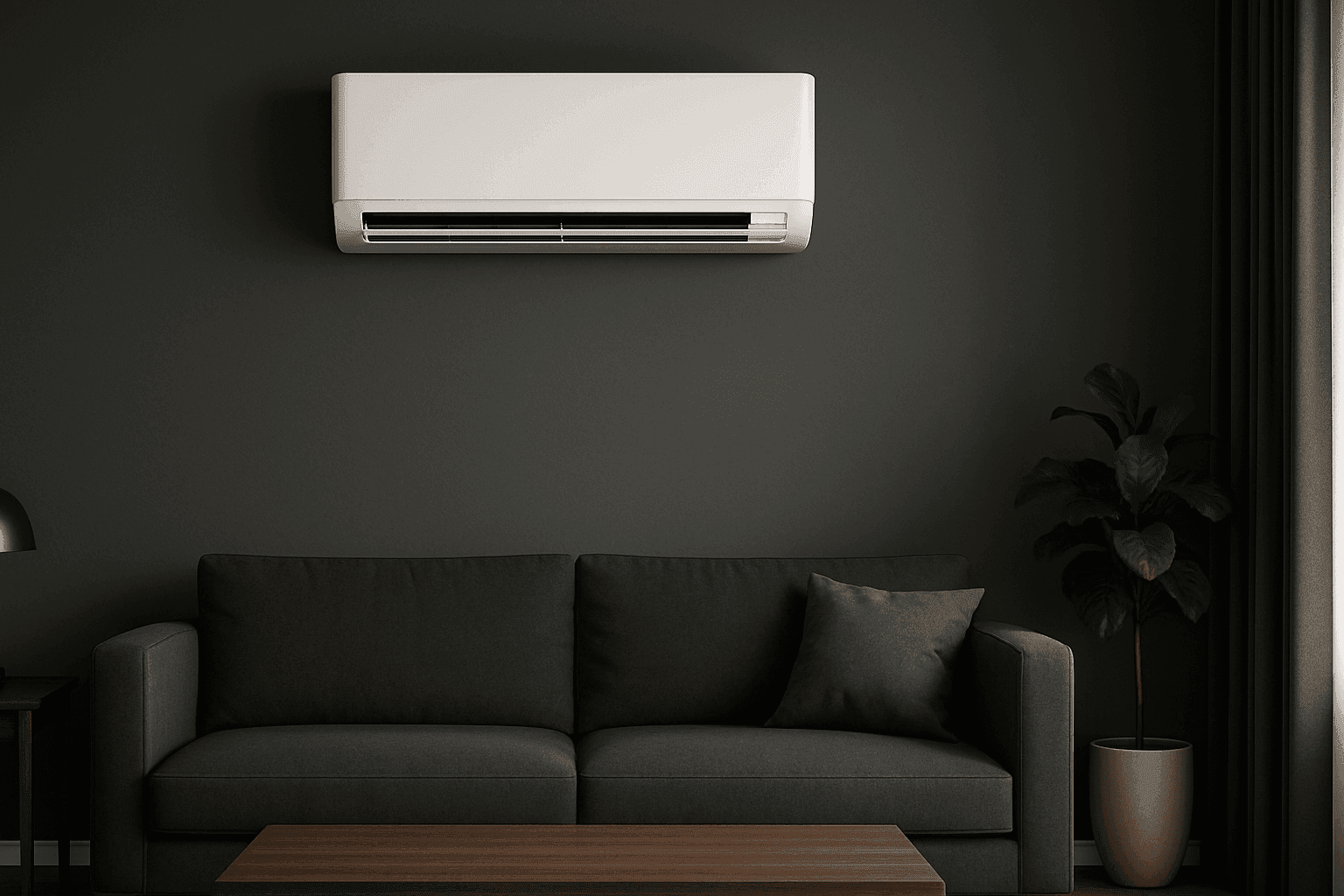
Picture a quiet, efficient appliance on your wall—no clunky window unit, no noisy air ducts running overhead. That’s a mini-split.
A mini-split HVAC system has two main parts:
- An indoor air handler mounted high on the wall or ceiling.
- An outdoor compressor (the “engine” of the system), usually tucked outside the building.
Copper tubing and a power cable connect the two. Refrigerant cycles between them, moving heat out in summer and bringing warmth in when it’s cold. The best part? No ductwork needed. Just a small hole in the wall.
Some models handle both heating and cooling. Others specialize in one job. All are designed for fast response and pinpoint accuracy.
Key Benefits of Mini-Split Systems
Mini-splits are more than a modern convenience. They’re a smart solution for zoned comfort and year-round savings.
Energy Efficiency 🌱
Standard HVAC systems can waste up to 30% of energy through leaky ducts (source: U.S. Department of Energy). Mini-splits skip the ducts, delivering air directly to your space. The result? Lower utility bills. Many units feature inverter technology, which ramps energy use up or down to match demand. That means less waste and more comfort.
Easy, Flexible Installation
No need to tear up walls or ceilings. Mini-splits require only a small opening for the conduit. This makes them perfect for:
- Historic homes
- Additions
- Garages and workshops
- Offices above shops
- Sunrooms and basements
Installers can mount air handlers high on the wall, low to the floor, or even in the ceiling—wherever suits your layout.
Zoned Temperature Control
Control each room separately. One remote controls the bedroom, another the workshop. No more fighting over the thermostat or cooling empty spaces.
Quiet Performance
Mini-splits operate almost silently indoors. The outdoor compressor, placed away from living areas, keeps noise to a minimum.
Improved Indoor Air Quality
Many systems offer built-in air filtration or dehumidification. That’s a plus for allergy sufferers.
Mini-Split Cost vs. Central Systems
Wondering about the price tag? Here’s what to expect.
- Upfront Cost: Mini-splits tend to cost more per-room than window units or baseboard heaters, but less than a full ducted system—especially if you’re only conditioning a few spaces.
- Installation: Because there’s no ductwork, labor is quicker and less invasive. You avoid costly demo and repairs.
- Operating Cost: Mini-splits are ultra-efficient, often using 20–60% less energy than central systems (according to ENERGY STAR® data).
- Longevity: With regular maintenance, mini-splits can last 12–20 years.
Remember, every building is unique. Factors like insulation, room size, and climate all play a role. Energy savings add up over time—especially in homes with older ductwork or hard-to-reach rooms.
Best Rooms and Applications for Mini-Splits
Not every space needs a full-blown HVAC overhaul. Mini-splits shine in:
- Home Additions: Sunrooms, guest suites, or expanded living rooms—no need to extend existing ducts.
- Garages & Workshops: Keep tools, cars, and hobby spaces comfortable year-round.
- Offices & Studios: Stay focused without battling stuffy or freezing air.
- Basements & Attics: Transform underused spaces into livable zones.
- Shops & Retail Spaces: Target comfort to high-traffic or display areas.
- Server Rooms: Protect equipment with consistent, reliable cooling.
If you have a room that’s always too hot or cold, a mini-split may be the perfect fix.
Maintenance Tips for Mini-Splits
Keep your system running like a well-oiled machine. Here’s how:
- Change or Clean Filters Monthly
Dust builds up quickly. A clogged filter means lower efficiency and poor air quality. - Wipe Down the Indoor Unit
Keep vents clear of dust and debris. - Check the Outdoor Compressor
Remove leaves, snow, or obstructions. Maintain at least two feet of clearance around the unit. - Schedule Annual Pro Maintenance
A licensed technician will check for refrigerant leaks, inspect wiring, and ensure safe operation.
Following manufacturer guidelines—and referencing the Air Conditioning Contractors of America (ACCA) standards—prevents most problems before they start.
Energy Savings Data
Data from ENERGY STAR® and the U.S. Department of Energy show that ductless mini-splits can cut cooling costs by up to 30% compared to traditional options. In heating mode, savings can be even higher if you’re replacing electric resistance heat or baseboard units.
Smart thermostats and occupancy sensors boost savings even more. Set schedules, and let the system do the rest.
Mini-Splits vs. Other Solutions
Let’s keep it simple:
- Window Units: Cheaper upfront, but noisier, less efficient, and block your view.
- Portable Heaters: Risky for fire, expensive to operate, and not a permanent fix.
- Central HVAC: Great for large homes, but expensive to retrofit for one or two rooms.
Mini-splits fill the gap: fast, focused comfort without major construction.
Installation: DIY or Call a Pro?
Some home improvement projects are great for a rainy weekend. Installing a mini-split isn’t one of them.
Why?
- Electrical Work: Dedicated circuits required.
- Refrigerant Handling: EPA regulations require licensed technicians for refrigerant charging and leak tests.
- Proper Sizing: Too small, and you’ll never be comfortable. Too big, and you’ll waste money.
If you want true peace of mind (and warranty protection), professional installation is a must. Briggs Heating’s team handles the details, so you don’t have to.
Quick Safety Checklist Before Installation 🛠️
- Confirm your electrical panel can support added load.
- Clear the installation area—inside and out.
- Verify wall or ceiling can handle the unit’s weight.
- Ensure outdoor compressor is above flood level and away from heavy foot traffic.
- Check for code compliance with local building authorities.
What Pros Do On Arrival
When Briggs Heating arrives for your mini-split installation or emergency hvac call, here’s what happens:
- Site Assessment: Measure rooms, check insulation, and recommend correct unit size.
- Placement Planning: Identify best locations for indoor and outdoor units.
- Electrical Prep: Confirm safe wiring and circuit breakers.
- Install & Test: Mount equipment, seal wall penetrations, and check refrigerant levels.
- Walkthrough & Training: Show you how to use controls, clean filters, and set schedules.
Our technicians follow OSHA guidelines and manufacturer instructions for every step.
Prevention and Maintenance
A mini-split is like a car: regular tune-ups mean longer life and fewer breakdowns.
- Inspect filters monthly
- Schedule annual cleaning and refrigerant check
- Listen for unusual noises or loss of cooling/heating power
If you notice leaks, frost, or error codes, don’t wait. Call for AC Repair near you right away.
Costs & Time Factors
- Installation Time: Most jobs take 4–8 hours per unit, less if you’re adding to an existing system.
- Equipment Costs: Vary by brand, size, and features. Multi-zone systems cost more but serve multiple rooms.
- Operating Costs: Expect significant savings over window units or electric baseboards. Energy-efficient models may also qualify for rebates (check Energy.gov for programs).
When It’s an Emergency
If your only source of heat or cooling fails during an extreme weather event, don’t risk your health. Mini-splits are fast to install and can restore comfort within hours, not days. Briggs Heating’s 24-hour emergency hvac crew is ready to respond—day or night.
Frequently Asked Questions
Can I install a mini-split in an older home?
Absolutely. Mini-splits are ideal for homes without existing ductwork. They require minimal wall opening and can often be installed with little disruption.
How many rooms can one outdoor unit handle?
Many outdoor compressors can connect to up to four or five indoor units (called “multi-zone” systems). Each room gets its own temperature setting.
Are mini-splits loud?
Not at all. Indoor units are whisper-quiet—usually less than 30 decibels. Outdoor compressors are quieter than standard AC units.
Will a mini-split work during extreme cold or heat?
High-quality systems can heat even when outdoor temperatures drop below freezing. Always check the manufacturer’s rating for your climate zone.
Local and Seasonal Considerations
Weather swings can be brutal. In many regions, mini-splits are sized for both cooling and heating to handle year-round comfort. For humid climates, models with built-in dehumidifiers are a smart pick. Always consider local building codes and permit requirements—Briggs Heating handles this for you.
Ready for comfort in every room—without the hassle?
Call Briggs Heating now — or reach us anytime at 877-748-7966 .