Radiant Heating Systems: Benefits, Costs, and Installation
When winter’s chill creeps in, nothing beats the feeling of a warm floor beneath your feet. For many homeowners and businesses, radiant heating isn’t just a luxury—it’s a smart alternative to drafty, noisy forced-air systems. But is it right for your property? And what should you expect from the process and costs? Briggs Heating is here to break it down, step by step.
Radiant heating isn’t new, but today’s systems deliver reliable comfort, energy savings, and cleaner indoor air. If you’re considering an upgrade or looking for emergency hvac solutions, let’s explore whether radiant heating fits your needs.
How Radiant Heating Works
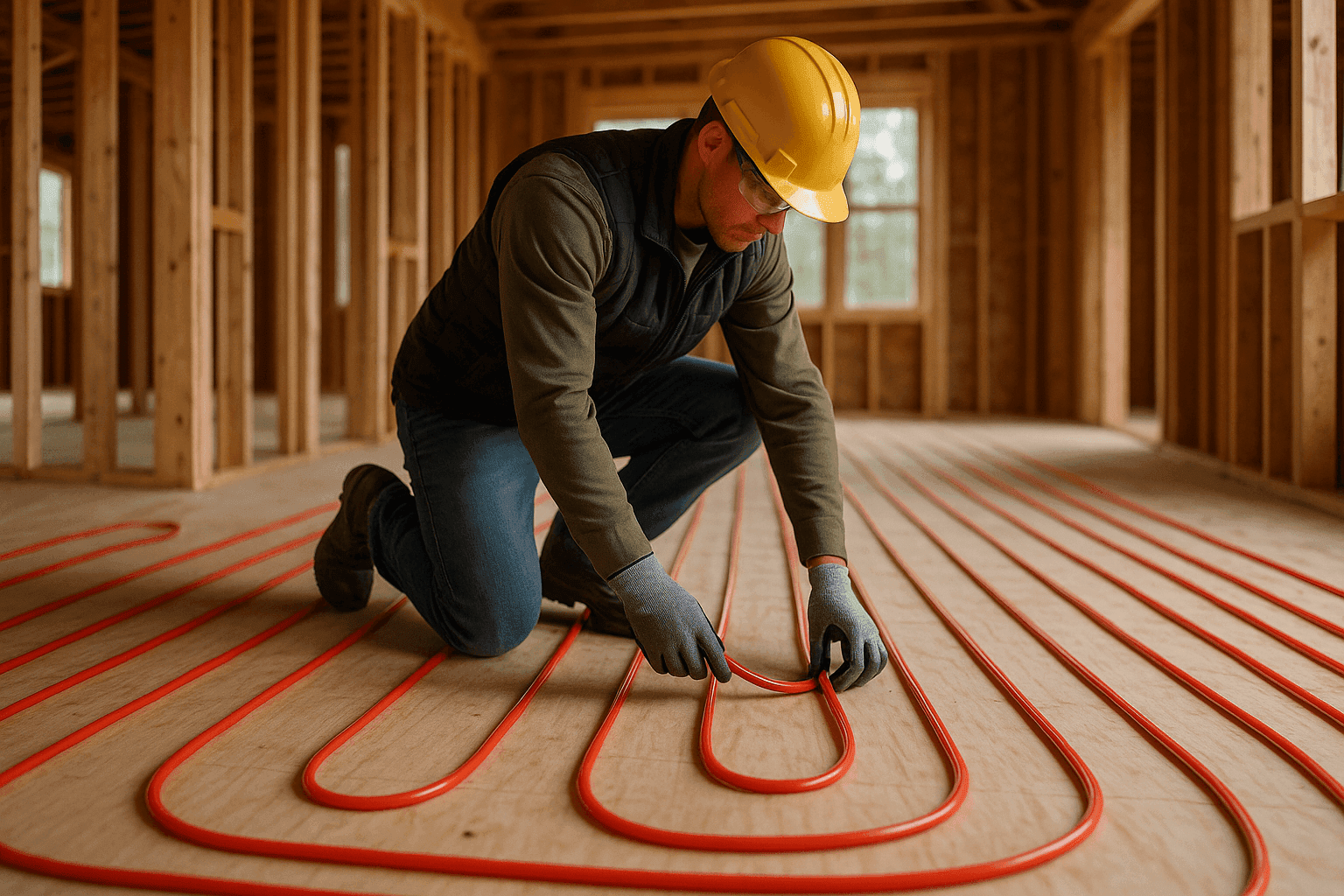
Imagine the gentle warmth of sunlight streaming through a window. Radiant heating works on a similar principle—it heats objects and people directly, not just the air around you. Instead of blowing hot air, radiant systems use warm water tubes or electric mats under your floors, in walls, or on the ceiling.
- Hydronic (water-based): Tubes circulate hot water beneath floors.
- Electric: Cables or mats heat up when powered.
- Panels: Sometimes radiant heat comes from ceiling or wall panels.
The result? Even warmth, fewer cold spots, and a quieter environment.
Types of Radiant Systems: Floor, Ceiling, Wall
Radiant heating isn’t one-size-fits-all. Here’s a quick look at the main types:
Floor Radiant Heating
The classic choice. Tubes or electric mats are installed beneath tile, hardwood, or concrete. Perfect for bathrooms, kitchens, and open living spaces. Homes and offices both benefit.
Wall Radiant Panels
Slim panels can be mounted on walls—ideal when floor retrofits aren’t practical. They’re efficient for targeted rooms or additions.
Ceiling Radiant Panels
Heat naturally radiates downward from above. These panels are less common but useful in some light commercial or retrofit situations.
“Our new radiant floors made winter mornings so much cozier, and our energy bills dropped by 20%.”
– Sarah R., local homeowner
Installation Process 🛠️
Installing radiant heat isn’t as simple as plugging in a space heater. Here’s how it works:
- Assessment: Briggs Heating evaluates your property, insulation, and heating needs.
- Design: We create a custom layout—floor zones, tubing routes, or panel placement.
- Prep: Old flooring may be removed. Subfloors are prepped for tubing or mats.
- Install: Hydronic tubes or electric mats are fitted. For hydronic systems, a boiler or water heater is connected.
- Cover: Flooring is reinstalled or new flooring is laid.
- Testing: Everything is checked for leaks, wiring, and safe operation per local code.
- Commission: System is started, balanced, and programmed for optimal comfort.
Tip: Always use a licensed HVAC pro. Codes (like the International Residential Code and National Electrical Code) matter for safety and insurance.
Upfront and Ongoing Costs
Radiant heating is an investment. Typical costs vary by system type, property size, and construction.
- Hydronic (water-based): Higher upfront costs, especially for retrofits. Best for large spaces. Lower operational costs.
- Electric: Lower install costs for small areas (bathrooms, kitchens). Higher ongoing electricity use.
- Panels: Usually moderate cost, easier for retrofits.
Ongoing costs:
- Hydronic systems often use efficient boilers. Annual maintenance is needed—think of it like a tune-up for your car.
- Electric systems: Maintenance is minimal, but electricity rates affect your bill.
According to the U.S. Department of Energy, radiant floor systems can be up to 30% more efficient than forced-air in well-insulated homes. You’ll notice fewer drafts and less heat loss through ducts.
Comfort & Health Benefits 🌡️
Radiant heat feels different—gentler, more natural. Here’s why people love it:
- No blowing dust or allergens: Perfect for allergy sufferers.
- Quiet operation: No fans, no rattle, just silent warmth.
- Consistent temperatures: No more cold toes or overheated ceilings.
- Energy savings: Less wasted heat compared to forced-air.
A local dentist’s office reported fewer complaints about dry air and cold spots after switching to radiant panels—staff and patients both noticed the difference.
DIY vs. Professional Installation
Radiant heating is not a weekend project. Sure, electric mats in a single bathroom might tempt a confident DIYer. But for whole-house systems or commercial installs, code compliance, safety, and warranty protection all demand professional expertise.
DIY Considerations
- Smaller electric mat projects only—never hydronic.
- Risk of voided flooring warranties.
- Must follow National Electrical Code.
Professional Installation
- Design for even heat and safe operation.
- Proper boiler sizing for hydronic systems.
- Compliance with local building codes.
For emergency hvac or AC repair near you, choosing licensed pros like Briggs Heating means peace of mind and long-term reliability.
Comparing Radiant to Forced Air
How does radiant stack up to traditional forced air?
- Air Quality: Radiant doesn’t circulate dust or allergens.
- Noise: Radiant is silent. Forced air can be noisy.
- Efficiency: Radiant can be more efficient, especially in well-insulated spaces.
- Upfront Cost: Radiant usually costs more to install, but may save money over time.
- Cooling: Forced air systems can provide both heating and cooling. Radiant is for heat only; you’ll still need AC for summer.
Practical Tips Before You Choose ✏️
- Check your insulation: Radiant works best in well-insulated spaces.
- Think about flooring: Stone and tile transfer heat well; carpet insulates against it.
- Plan for zones: Multiple thermostats allow custom comfort in different rooms.
- Ask about rebates: Some jurisdictions offer incentives for energy-efficient upgrades. Check Energy Star and local utility programs.
Installation Safety Checklist
- Only use products listed and labeled for radiant heating.
- Follow all manufacturer installation instructions.
- Electrical connections must be inspected by a licensed electrician.
- Hydronic systems require pressure and leak testing.
- Maintain clearances around boilers and manifolds.
Real-World Case Study
A local apartment owner faced frequent tenant complaints about uneven heat and high energy bills. After installing hydronic radiant floors in common areas and select units, complaints dropped by 80%. Utility costs also decreased, with tenants reporting a “luxury hotel” feel—even during the coldest months.
Common Questions (FAQ)
Is radiant heating safe for pets and kids?
Absolutely. Floors don’t get hot enough to burn, and there are no exposed elements.
Can radiant heating be installed in an existing building?
Yes, but it’s easier during renovations or new builds. Retrofit options exist for most properties.
Will radiant heating work with my current AC?
Radiant is for heat only. You’ll still need AC repair near you or a separate cooling system for summer.
How long does radiant heating last?
Quality systems can last 25 years or more with proper maintenance.
Local and Seasonal Considerations
In climates with long, cold winters, radiant heating offers consistent comfort and energy savings. For homes with drafty windows or poor insulation, consider upgrades before installing radiant. Commercial spaces benefit from lower noise and improved air quality—a win for productivity.
Remember, emergency hvac service is always available from Briggs Heating if you need urgent repairs, maintenance, or advice on upgrades.
Warm floors, healthier air, and lasting comfort—radiant heating could be your next smart move. Ready to discuss your options?
Call Briggs Heating now — or reach us anytime at 877-748-7966 .