Should You Repair or Replace Your HVAC System? Key Factors for Decision-Making
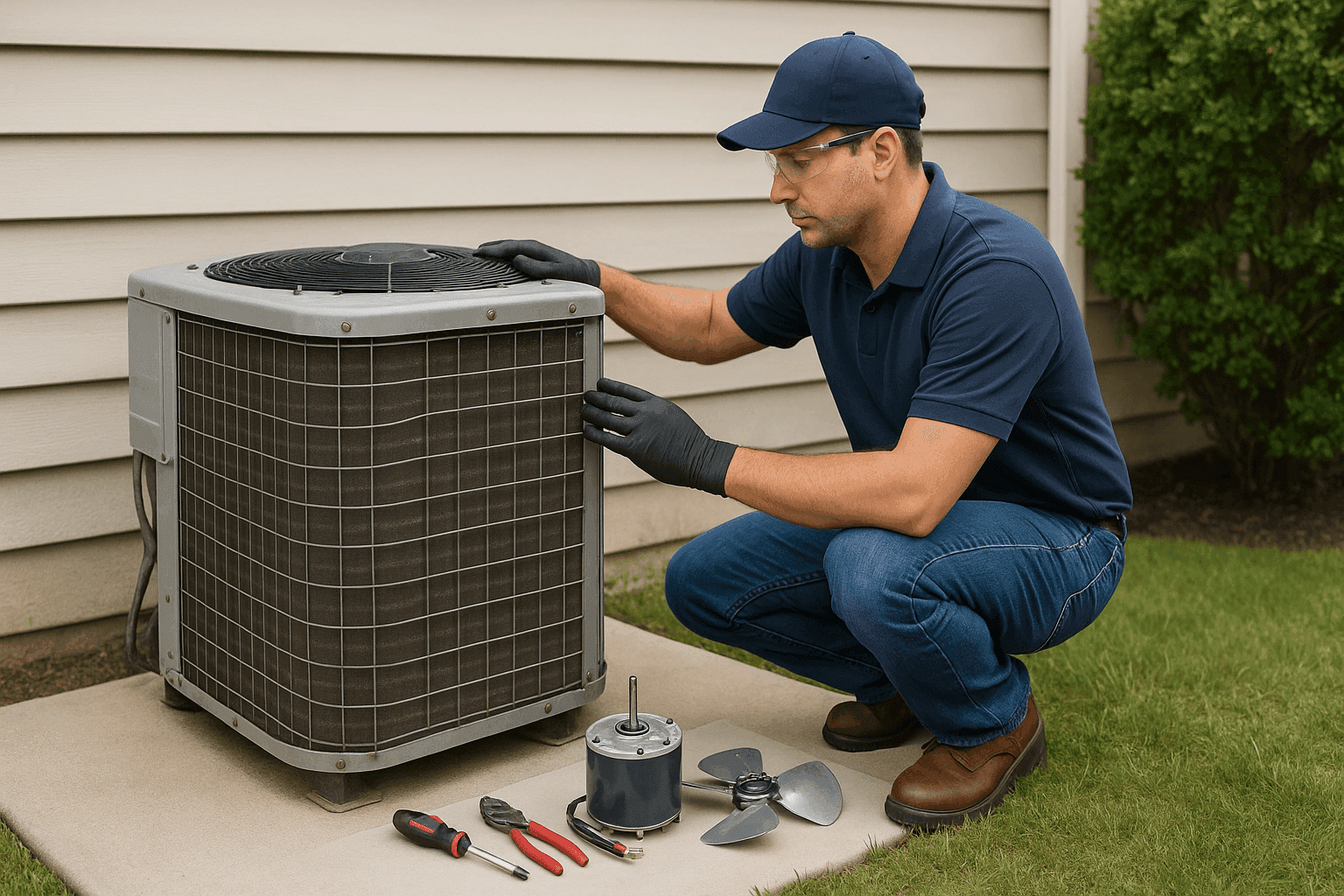
When your heating or cooling system sputters to a stop—especially in the middle of a freezing night or a scorching afternoon—panic can set in fast. Should you patch it up with another repair, or is it time to invest in a brand new system? With so much on the line—comfort, cost, even safety—making the right call is crucial.
At Briggs Heating, we’ve helped homes and businesses through these crossroads for decades. We’re here to break it down in plain language, so you can decide with confidence, not guesswork.
Signs It’s Time to Replace 🚨
Some HVAC systems are like old cars: they keep running, but every month brings a new rattle or warning light. If you’re seeing these signs, replacement might be the smarter long-term play:
- Frequent Breakdowns: Needing emergency hvac visits more than twice a year? That’s a red flag.
- System Age: Most units last about 10–15 years (per ENERGY STAR). If yours is older, upgrades offer big efficiency gains.
- Rising Energy Bills: If costs creep higher with no change in usage, your system could be losing steam.
- Uneven Temperatures: Hot upstairs, freezing downstairs? Aging equipment often struggles to keep up.
- Strange Noises or Odors: Banging, grinding, or musty smells may signal trouble deep inside.
- Obsolete Parts: If replacement parts are discontinued, repairs get pricier—and less reliable.
- Failed Safety Checks: Older systems may fall short of the latest codes from authorities like the International Code Council (ICC).
Decision Flowchart
Should you repair or replace? Use this simple guide:
- Is your unit under 10 years old?
- Yes: Continue to step 2.
- No: Replacement may be more cost-effective.
- Has it needed major repairs in the last 2 years?
- Yes: Replacement likely.
- No: Consider repair.
- Are energy bills rising or comfort declining?
- Yes: Replacement recommended.
- No: Repair may suffice.
Think of it like a pair of shoes—if they’re worn out, patching them won’t stop new holes from appearing.
When Repairs Make Sense
Not every hiccup means it’s time for a new system. Sometimes a targeted repair brings years of reliable service. Repair may be best if:
- The system is relatively new (under 10 years).
- Repairs are infrequent and minor (like a capacitor or thermostat).
- No major components are failing (compressor, heat exchanger, etc.).
- Your budget is tight and replacement isn’t feasible right now.
- The system still meets comfort needs after repair.
Consider repairs like replacing a flat tire—quick, effective, and much cheaper than buying a whole new car.
Sample Scenarios
Homeowner:
Samantha’s 7-year-old AC stops cooling. The technician finds a clogged filter and swaps it out. The system roars back to life. Cost: minimal. Time: less than an hour.
Business:
A small office’s furnace fails in January. It’s 12 years old but has had only one repair before. The issue is a faulty ignitor—easy fix. Minimal downtime, and warmth returns before lunch.
Cost Comparison
Let’s face it: cost matters. Here’s how to weigh your options:
- Repair Costs:
- Minor fixes (thermostats, filters, belts): usually $100–$500.
- Major repairs (compressors, heat exchangers): $1,000–$3,500, sometimes more.
- Replacement Costs:
- New HVAC units can range from $4,000–$12,000+ depending on system size, type (AC, furnace, mini-split, geothermal), and complexity.
- Rule of Thumb:
- If a repair costs more than 40–50% of a new system, replacement often makes more sense (source: American Society of Heating, Refrigerating and Air-Conditioning Engineers—ASHRAE).
Available Rebates
Many utilities and government agencies offer rebates for high-efficiency upgrades—sometimes up to several thousand dollars. Check ENERGY STAR and your local utility for current incentives.
Pro Tip: Always get a written estimate and compare it to your system’s age and repair history.
Impact on Comfort & Bills
A healthy HVAC system is like a well-tuned orchestra—every room comfortable, air clean and fresh, and bills predictable. When systems age, small problems add up:
- Comfort:
- Inconsistent temps, poor airflow, or humidity issues can mean the system is undersized, dirty, or failing.
- Newer systems offer better air filtration, humidity control, and even smart thermostats for tailored comfort.
- Energy Bills:
- Old equipment may be running at 60% efficiency or less.
- New units often hit 90%+ efficiency, slashing monthly bills (U.S. Department of Energy).
Case Studies
Residential Case:
The Johnson family’s 18-year-old furnace limped through two winters with frequent repairs. After a full replacement, energy bills dropped by 25%. Comfort soared—no more cold spots or noisy blowers.
Commercial Case:
A restaurant’s rooftop unit kept tripping out, causing hot kitchens and frustrated staff. After a replacement with a modern, energy-efficient model, downtime vanished and utility expenses shrank by a third.
Common Misconceptions
- “It’s cheaper to keep repairing forever.”
Not always—hidden costs add up fast. Old systems can bleed money through inefficiency and frequent breakdowns. - “New systems are always complicated.”
Modern equipment is often simpler to operate, with better diagnostics and controls. - “Bigger is better.”
Oversized systems cycle on/off too fast, wasting energy and wearing out. Proper sizing matters.
Sample Scenarios: Homes vs. Businesses
Home:
A 15-year-old AC unit fails during a July heatwave. It’s had three repairs in two years, and refrigerant is leaking again. The homeowner chooses replacement, benefiting from a rebate on a new high-efficiency system.
Business:
A retail shop’s heater stops working just before a busy weekend. The system is only 6 years old and rarely needs repairs. A quick fix keeps customers comfortable and avoids lost sales.
Pros & Cons
Repair
- Lower upfront cost
- Less disruption
- Good for newer systems
Replace
- Higher upfront cost
- Lower energy bills long-term
- Improved comfort, safety, and air quality
- May qualify for rebates
Decision-Making Flowchart
Picture a fork in the road:
- Left path: Repair—if the system is younger, repairs are rare, and costs are low.
- Right path: Replace—if breakdowns are frequent, bills are climbing, and comfort is failing.
If you feel like you’re patching the same tire every month, maybe it’s time for a new set of wheels.
Addressing Emergency Situations
What if your system fails at 2am or during extreme weather? That’s when emergency hvac matters most. Fast response can mean the difference between a quick fix and a costly replacement—especially for businesses where downtime means lost revenue.
Rebates & Seasonal Considerations
- Spring and fall are often the best times for replacements—contractors are less busy, and you may find better deals.
- Many states offer incentives for energy-efficient heating, cooling, and IAQ (indoor air quality) upgrades.
Check the Database of State Incentives for Renewables & Efficiency (DSIRE) and your local government for current programs.
FAQ
How long should my HVAC system last?
Most systems run 10–15 years with regular maintenance, per ENERGY STAR.
Will a new system really save me money?
Yes—today’s high-efficiency models can cut bills by 20–40% compared to old equipment.
Can I do repairs myself?
Some things (like swapping filters or checking breakers) are safe for DIY. Anything involving wiring, refrigerant, or gas should be left to licensed pros (per National Fire Protection Association—NFPA).
Are repairs covered by warranty?
If your system is under warranty, parts may be covered. Labor often is not—always check paperwork.
Practical Tips
- Change filters every 1–3 months to keep airflow strong.
- Schedule annual maintenance for both heating and cooling—prevents 80% of breakdowns (per ASHRAE).
- Listen for new noises; they’re often your system’s “check engine” light.
- Don’t ignore rising bills—track them and act early.
Ready to make the right call for your comfort and budget? Call Briggs Heating now — or reach us anytime at 877-748-7966 .