Signs Your Furnace or AC Needs Immediate Repair
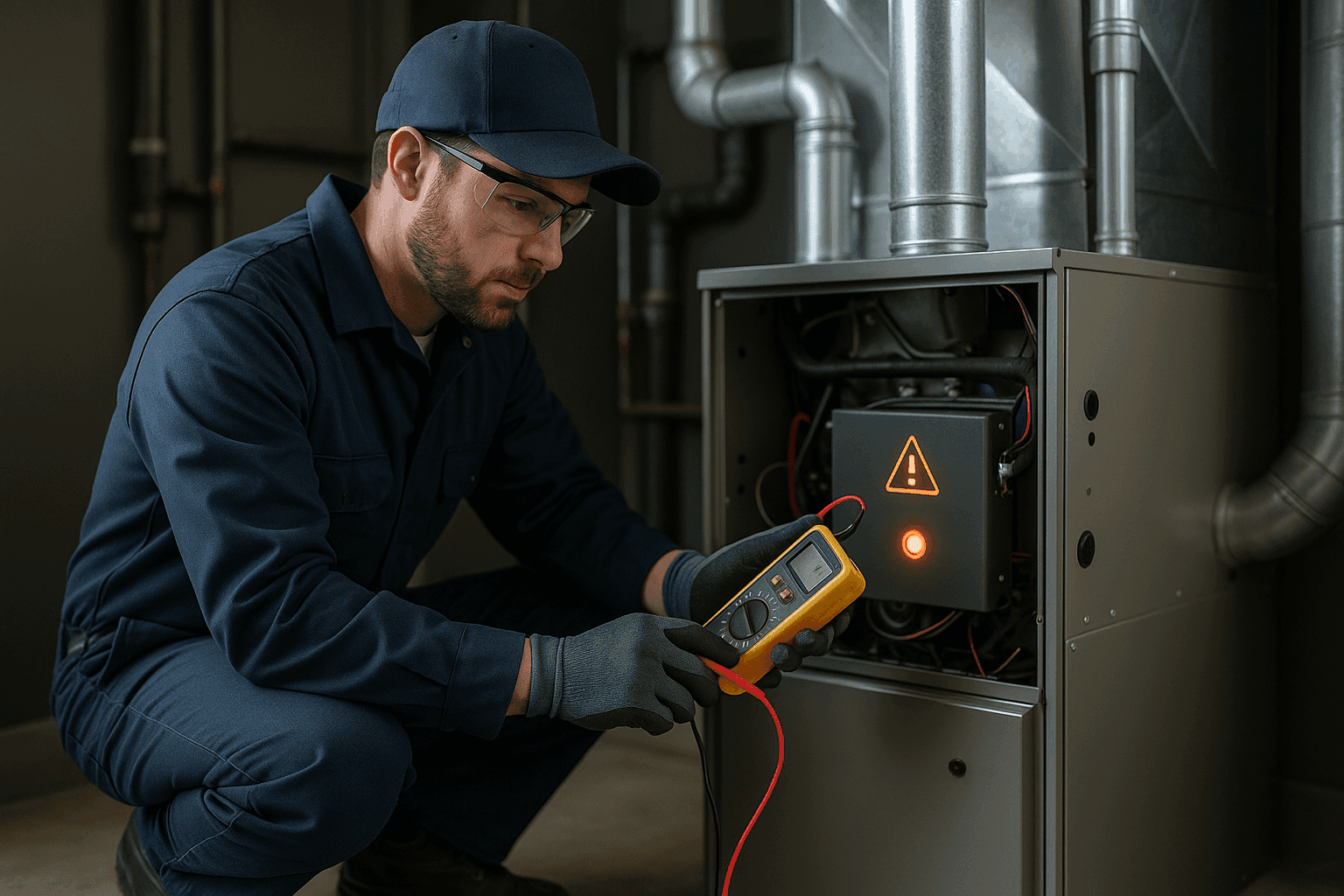
Is your house suddenly freezing, or your office so stuffy it’s hard to breathe? When your furnace or AC starts acting up, it’s more than an annoyance—it can be unsafe and costly, fast. At Briggs Heating, we know the dread of a cold snap or heatwave when your comfort system is on the fritz. We're here around the clock because emergencies don’t wait for business hours.
But how do you know when to call for emergency HVAC help? Let’s break down the warning signs, what causes them, and why quick action matters.
Common Warning Signs
Sometimes, your system whispers. Other times, it shouts. Here’s what to watch and listen for:
- Strange noises: Banging, screeching, rattling, or grinding. If your AC or furnace sounds like a marching band, something’s wrong. ⚠️
- Frequent cycling: Turns on and off every few minutes. Like a light switch stuck in a loop.
- No heat or cool air: Blowing air, but it’s not the right temperature—or nothing happens at all.
- Bad smells: Burning, musty, or even rotten egg odors. These can signal electrical issues, gas leaks, or mold.
- Unexplained high bills: Your energy costs shoot up, but your usage habits haven’t changed.
- Water leaks: Puddles near your unit, dripping from vents, or visible rust and corrosion.
For both homes and businesses, these aren’t just inconveniences. They can stop your day cold, or worse, put safety at risk.
Visual Checklist
- [ ] Unusual sounds from vents or unit
- [ ] System running constantly or not at all
- [ ] Odd smells when system starts
- [ ] Hot or cold spots inside
- [ ] Moisture or pooling water near equipment
- [ ] Sudden spike in energy bills
If you’re checking any of these boxes, it’s time to look deeper.
What Causes These Issues?
Just like cars, your furnace and AC get tired, dirty, or worn out. Common culprits include:
- Worn-out parts: Belts, motors, and bearings need regular TLC.
- Clogged filters: Dust and debris choke airflow, straining the system.
- Electrical faults: Loose wires, burnt connections, or failing controls.
- Thermostat glitches: If your “brain” isn’t working, the system can’t follow orders.
- Blocked ducts: Air can’t flow if something’s in the way.
- Improper installation or maintenance: Small mistakes can snowball into breakdowns.
In commercial settings, larger spaces and more complex systems mean even small issues can multiply fast. Residential or business, the risks are real.
Risks of Delaying Repairs
Ignoring the warning signs isn’t just uncomfortable—it can be dangerous.
- Carbon monoxide exposure: A cracked heat exchanger or blocked vent can leak this deadly, odorless gas. According to the CDC, carbon monoxide poisoning sends thousands to the hospital each year.
- Electrical hazards: Sparking wires or overloaded circuits can cause fires. The National Fire Protection Association warns that heating equipment is a top cause of home fires.
- Mold and water damage: Leaking ACs or furnaces can lead to mold growth, risking allergies and respiratory problems.
- System failure: What starts as a small problem can destroy your equipment, leading to costly replacements.
- Business disruption: For commercial clients, a failed system means lost productivity and even health code violations.
Safety isn’t just a checklist—it’s peace of mind. If something feels off, don’t wait.
When to Call 24/7 Service
Some issues can wait until morning. Others can’t. Here’s when to call for emergency HVAC help—day or night:
- No heat during freezing weather
- No cooling during extreme heat
- Burning smells or signs of smoke
- Gas or rotten egg odors
- Visible sparks, burning, or electrical arcing
- Alarms from CO or smoke detectors
- Complete system failure in a business or critical setting
If you’re unsure, call Briggs Heating. Our certified technicians (NATE, EPA, and manufacturer-trained) have seen it all—from 30-year-old residential furnaces to high-capacity rooftop commercial ACs.
Real-World Case Study
Last winter, a local restaurant lost heat on the coldest night of the year. Staff noticed a burnt plastic smell and rising humidity in the kitchen. Briggs Heating responded within an hour, traced the issue to a cracked exchanger leaking CO, and restored safe heat before dinner service. No one got sick, and the restaurant stayed open.
Quick Safety Checklist 🛑
- [ ] Check for power at the unit and thermostat
- [ ] Look for tripped breakers or blown fuses
- [ ] Inspect for water around equipment (never touch if you suspect electrical issues)
- [ ] Smell for gas or burning odors—evacuate if present
- [ ] Listen for loud, unusual sounds
- [ ] Make sure vents and intakes are clear
If in doubt, get everyone to safety and call for emergency HVAC help.
What Causes These Issues? (In-Depth)
Mechanical Failures
- Motors, fans, and belts wear down. Without maintenance, small vibrations become big breakdowns.
- Older units are more prone to sudden failures—especially if parts are obsolete.
Electrical Problems
- Loose or corroded wires arc and spark, leading to intermittent outages or full system shutdowns.
- Control boards can fry after a power surge—common during storms or utility work.
Airflow Issues
- Clogged filters and blocked ducts force your unit to work harder, shortening its lifespan.
- In commercial settings, dirty rooftop units and neglected maintenance can cripple your whole building’s comfort.
Thermostat & Sensor Error
- If your thermostat is faulty or in the wrong location, it can misread the room—and your system never rests.
Poor Installation
- Incorrect sizing or shortcuts during installation can rear their head years later, especially under stress.
For both homes and businesses, the National Institute of Standards and Technology (NIST) stresses that regular inspection is the best defense.
Risks of Delaying Repairs
Every hour you wait, risks grow:
- Health hazards: Exposure to carbon monoxide or mold.
- Electrical fires: Faulty wiring or overloaded circuits can ignite insulation or dust.
- Wasted energy: A struggling unit burns more fuel or electricity, sending bills sky-high.
- Business downtime: Loss of heat or AC can mean closing your doors.
- Voided warranties: Many manufacturers require prompt repairs to keep coverage active.
The message? Don’t gamble with safety or comfort.
When to Call 24/7 Service
Emergency HVAC isn’t just about comfort—it’s about protecting people and property.
Call immediately if:
- The system won’t turn on, and it’s dangerously hot or cold outside.
- You see sparks, flames, or melted wires.
- There’s a strong gas smell or CO alarm.
- Water is leaking from electrical components.
- Occupants feel dizzy, nauseous, or have headaches near the unit.
For businesses, downtime costs money. For families, the risks are personal. Either way, Briggs Heating is there 24/7.
How Briggs Heating Responds
When you call for emergency HVAC help, here’s what happens:
- We listen: You explain the problem and what you’ve noticed.
- Rapid dispatch: Our on-call certified technician is on their way—usually within an hour.
- On-site assessment: We inspect, test, and diagnose using industry-standard tools.
- Immediate safety fixes: If there’s a gas leak, electrical hazard, or CO risk, we make it safe first.
- Clear communication: We explain your options—repair, replacement, or temporary measures.
- Documentation: All work is logged to meet city, state, and OSHA requirements for homes and businesses.
We carry parts for most brands, and our technicians are trained in residential, commercial, and specialty systems like geothermal and radiant heating.
Tips to Prevent Emergency Breakdowns
A little care goes a long way. Here’s how to keep your system running smoothly:
- Change filters every 1–3 months (refer to manufacturer guidelines)
- Schedule seasonal maintenance: At least once a year for heating and cooling, twice for commercial
- Keep vents and returns unblocked
- Listen for changes: Address new noises, smells, or cycling patterns early
- Test CO and smoke detectors regularly (per the U.S. Fire Administration)
For businesses: Set up a maintenance contract. It saves money and keeps you code-compliant.
Typical Repair Costs & Timeframes
Every situation is unique, but here’s what you can expect:
- Minor repairs: (e.g., thermostat replacement, fuse change) can take 30–60 minutes.
- Medium repairs: (blowers, ignitors, minor leaks) usually 1–3 hours.
- Major repairs: (heat exchanger replacement, large leaks) may require special parts and up to a full day.
Emergency service fees can vary, especially after hours or during peak seasons. But fast response can save you hundreds—sometimes thousands—by preventing severe damage.
Frequently Asked Questions
How do I know if my HVAC issue is an emergency?
If you have no heat in winter, no cooling in a heatwave, smell gas, or see sparks—call immediately. For lesser issues, monitor closely and schedule service soon.
Can I fix it myself?
You can change filters and check breakers, but most repairs need specialized tools and training. DIY fixes on complex systems can void warranties or cause more harm.
Will insurance cover HVAC repairs?
Some policies cover damage from sudden, accidental events (like electrical surges or water leaks), but not wear and tear. Check with your provider.
What certifications should my technician have?
Look for NATE (North American Technician Excellence), EPA, and manufacturer-specific certifications. Briggs Heating’s team meets these standards for all residential and commercial work.
Local and Seasonal Considerations
In our region, temperature swings can be brutal—one day it’s icy, the next it’s sweltering. That’s hard on systems. Fall and spring are ideal for maintenance, but breakdowns can happen any time. Commercial buildings with high foot traffic or kitchens need even more frequent checks.
Both homes and businesses should monitor systems during stormy weather and after power outages, as surges and debris can cause hidden damage.
Final Thoughts
Don’t let a small issue become a disaster. Stay alert to the warning signs—strange sounds, weird smells, sudden spikes in your bills. Your comfort, safety, and business depend on it.
Need emergency HVAC help? Briggs Heating is ready around the clock. Fast response. Certified techs. Honest answers.
Call Briggs Heating now — or reach us anytime at 877-748-7966 .