How to Troubleshoot Common AC Problems at Home
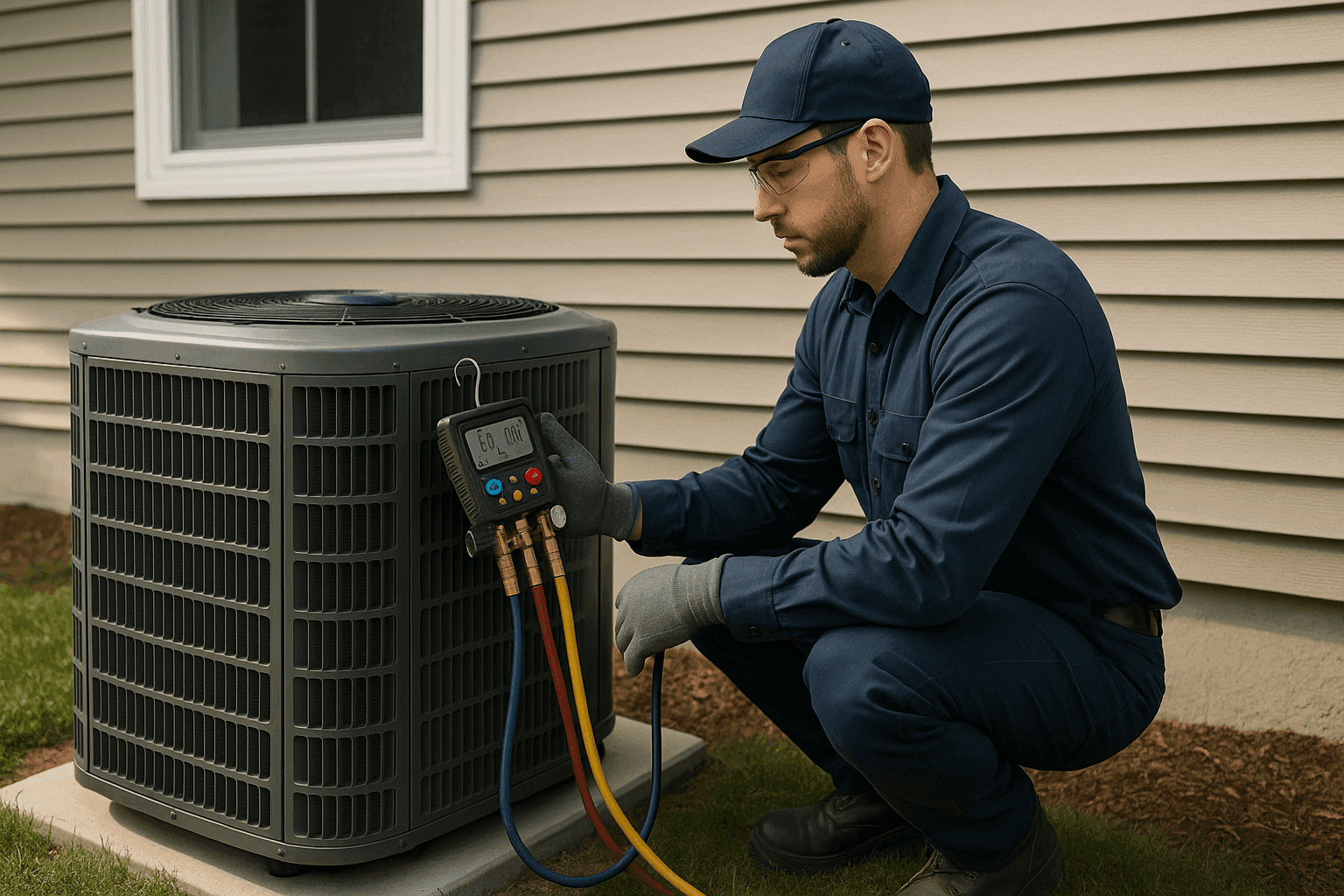
Air conditioning issues never seem to pop up at a good time. It's always the hottest day of the year, or just when you need reliable comfort at home or work. We get it—AC breakdowns can crank up your stress and your sweat.
At Briggs Heating, we help homeowners and businesses 24/7 with emergency hvac needs. But before you call in the cavalry, there are safe, effective steps you can take to get to the bottom of most common AC problems. This guide will walk you through each one, with no-nonsense advice and practical tips from real technicians.
AC Not Cooling: Causes and Fixes 🧊
You set the thermostat, kick back, and...nothing but warm air. Or maybe the house is cooler, but not by much. Here's how to start narrowing down the issue:
1. Check the Thermostat First
- Is it set to "Cool" and not just "Fan"?
- Is the temperature set lower than the room temp?
- Does the display look normal (numbers, no error codes)?
- Try replacing the batteries if it's a digital thermostat.
A faulty, misprogrammed, or dead thermostat is one of the most common root causes for AC woes.
2. Inspect the Air Filter
A clogged filter is like a blocked nose for your system. If airflow is weak or the unit is straining, a dirty filter could be to blame.
- Turn off the system.
- Remove the filter (check your manual if you aren't sure where it is).
- If it's gray, dusty, or clogged, replace it. Most filters should be changed every 30–90 days.
3. Examine the Outdoor Unit
The outdoor condenser needs breathing room. Overgrown weeds, leaves, or debris can choke its performance.
- Trim back plants at least 2–3 feet.
- Gently brush off visible dirt from the fins (always with the power off).
4. Check the Circuit Breaker
Sometimes, a tripped breaker is all that's standing between you and cool comfort.
- Locate your electrical panel.
- Find the AC breaker and ensure it’s in the ON position.
- If it trips repeatedly, stop and call an AC Repair near you.
5. Listen for Unusual Sounds
Grinding, squealing, or banging noises? These can mean mechanical trouble, loose parts, or motor issues. Shut the unit down and note what you hear for your technician.
Thermostat Issues
Thermostats are like the brain of your cooling system. When they act up, the whole house feels it.
Common Thermostat Problems
- Blank or Flickering Display: Could be dead batteries, loose wiring, or a blown fuse.
- Temperature Discrepancies: Your thermostat might be in a spot that gets more sunlight, or it may need recalibration.
- Nonresponsive Controls: Sometimes, dirt or dust inside the thermostat is the culprit. Gently open the cover and use a soft brush to clear debris.
If you’ve tried new batteries and reset the device with no luck, it’s time to call a technician. Never attempt wiring repairs if you’re not familiar with electrical safety protocols (see National Electrical Code guidelines).
Airflow Problems 🚨
You notice weak airflow, hot spots, or rooms that never seem to get cool. Airflow issues can stem from a handful of sources:
What to Check
- Vents & Registers: Make sure all supply and return vents are open and unblocked by furniture, rugs, or drapes.
- Ductwork: Visible signs of disconnected or crushed ducts in attics or crawl spaces need a pro’s eye.
- Blower Motor: If you hear the fan running but feel little air, the blower may be dirty or failing.
Quick Fixes
- Clean or replace filters.
- Open all vents fully.
- Check for visible dirt or mold around vents (if mold is present, do not disturb it—this is a health risk).
Quick Safety Checklist
Before you take any action, keep these safety basics in mind:
- Always turn off power at the breaker before inspecting or cleaning your AC unit.
- Never attempt to open sealed electrical panels.
- Avoid touching refrigerant lines (they can be dangerously cold or hot).
- If you smell burning, see smoke, or hear electrical buzzing, evacuate and call for emergency hvac help immediately.
DIY vs. Call a Pro
Some fixes are safe for the handy homeowner. Others are best left to a licensed technician. Here’s how to know the difference:
Safe for Homeowners
- Replacing filters
- Resetting the thermostat
- Checking the circuit breaker
- Cleaning vents and around the outdoor unit
- Swapping thermostat batteries
Call a Pro For
- Refrigerant leaks (requires EPA certification)
- Electrical or wiring issues
- Persistent tripped breakers
- Compressor, capacitor, or fan motor failures
- Mold, burning smells, or water leaks inside the home
If you’re ever unsure, play it safe and call a professional. The U.S. Department of Energy and Environmental Protection Agency both stress that refrigerant handling and electrical repairs are not DIY jobs.
What Pros Do On Arrival
Wondering what a technician actually does when they show up for AC repair near you?
- Inspect thermostat calibration and wiring
- Test voltage and system controls
- Check refrigerant levels and look for leaks
- Examine and clean blower components
- Inspect ducts for leaks or blockages
- Test safety switches and sensors
- Document findings and review repair options with you
A good technician will explain what they find in plain language and help you prioritize repairs based on urgency and budget.
Prevention & Maintenance 🌱
Regular care is the secret to avoiding midnight emergencies. Here’s what you can do:
- Change filters every 1–3 months
- Schedule seasonal AC maintenance (spring and fall)
- Keep outdoor units free from debris
- Ask about whole-house fans or programmable thermostats for energy savings
- Have your ductwork and indoor air quality tested annually
The Air Conditioning Contractors of America (ACCA) and local building codes recommend annual inspections to catch small problems before they turn into big ones.
Costs & Time Factors
How long will a fix take? What’s it going to cost? While every situation is different, here’s what to expect:
- Filter replacement: 5–10 minutes, low cost
- Thermostat swap: 15–30 minutes, moderate cost (plus part)
- Minor repairs (capacitors, relays): 30–90 minutes, moderate cost
- Major repairs (compressor, refrigerant leaks): Several hours, higher cost
Emergency hvac calls, especially after hours or weekends, may have additional fees. Your technician should always explain costs before starting any work.
When It’s an Emergency
Certain AC problems can’t wait—especially in extreme heat, vulnerable households, or commercial settings:
- No cooling during a heatwave (dangerous for kids, elderly, pets)
- Burning smells or smoke
- Water leaks near electrical components
- Complete system shutdown in a business that depends on climate control
If your gut says, “This can’t wait,” trust it. Document symptoms, shut down the system, and call for emergency hvac service.
FAQ
Why is my AC running but not blowing cold air?
This could be a dirty filter, low refrigerant, or a thermostat issue. Start with the steps above—if it persists, call for AC repair near you.
How often should I change my filter?
Most homes need a new filter every 1–3 months. If you have pets or allergies, every month is best.
Is it safe to run my AC if it’s making noise?
Unusual noises may signal serious problems. Turn it off and call a technician to avoid further damage.
Can I clean my own ducts?
Basic vent cleaning is safe, but full duct cleaning requires specialized tools and training. Improper handling can spread dust or damage your HVAC system.
Local & Seasonal Considerations
In some regions, pollen, dust storms, or humidity spikes can clog filters or overwork your system. After severe weather, always check for debris around your outdoor unit. If you’ve had recent renovations or construction, replace your filter twice as often until dust settles.
For businesses, regular maintenance is key before summer or busy seasons. Schedule ahead to ensure your cooling keeps up with demand.
Ready for reliable cooling—day or night?
Call Briggs Heating now — or reach us anytime at 877-748-7966 .