Comparing Whole-House Humidifiers & Dehumidifiers: Which Is Right for You?
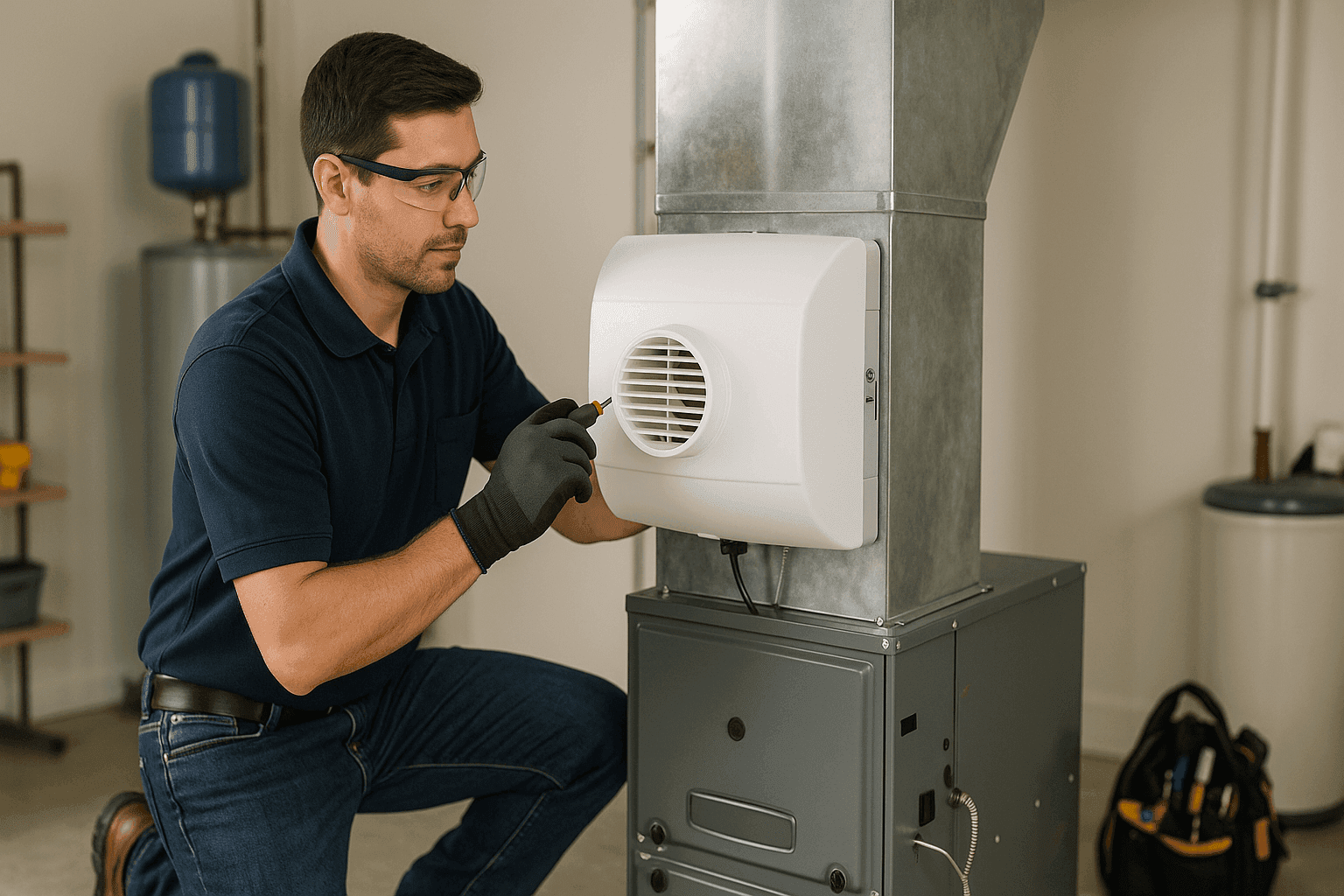
Humidity isn’t just a number on your thermostat or a feeling you get on a summer day. It’s the silent force shaping how your home or business feels, smells, and even how well it stands the test of time. Too dry? You might wake up with scratchy throats and endless static shocks. Too damp? Suddenly, there’s that musty odor and the creeping sense that your walls might be sweating.
At Briggs Heating, we understand the real-world impact of indoor air quality (IAQ). Every week, our technicians help families and business owners find the sweet spot where comfort, health, and building integrity meet. Let’s break down whether a whole-house humidifier or dehumidifier is the right fit for your space—so you can breathe easy, day and night.
Why Humidity Matters: Health, Comfort, and Building Health
Humidity is more than just a comfort issue. According to the CDC and EPA, indoor humidity should generally fall between 30% and 50%. Outside this range, problems multiply:
- Dry air can irritate skin, worsen allergies, crack wood floors, and zap the life out of musical instruments or electronics.
- Excess moisture fuels mold growth, dust mites, and invites pests. It can also warp floors, peel paint, and make every room feel muggy.
Imagine your home as a giant sponge. Too dry and it cracks; too wet and it starts to smell. Balanced humidity means fewer sniffles, less static, and a building that lasts.
Humidifiers vs. Dehumidifiers: How They Work & When to Use Each 🌡️
Whole-House Humidifiers
A whole-house humidifier is like a gentle raincloud tucked inside your HVAC system. It adds moisture to every room, often by dispersing water vapor through your ductwork.
Benefits:
- Smoother skin and fewer nosebleeds
- Relief from dry coughs and allergies
- Protects wood floors, artwork, and musical instruments
- Reduces static electricity
Signs You Need One:
- Cracked lips or dry skin, especially in winter
- Wood furniture or floors splitting
- Persistent static shocks
- Respiratory discomfort
Whole-House Dehumidifiers
Think of a dehumidifier as a thirsty sponge connected to your home’s air system. It quietly pulls excess moisture out of the air and drains it away.
Benefits:
- Stops mold and mildew before they start
- Makes summer heat feel less sticky
- Prevents warped floors and peeling wallpaper
- Keeps stored items and electronics safer
Signs You Need One:
- Musty odors, especially in basements
- Condensation on windows or walls
- Sticky feeling in the air
- Visible mold or water stains
Choosing the Right System: Home & Business Scenarios
For Homes
- Cold, dry winters? A humidifier can keep everyone breathing easy and protect your house itself.
- Humid spring, muggy summer? A dehumidifier helps your air conditioner by making the air feel cooler and cleaner.
For Businesses
- Offices: Balanced humidity keeps computers and paperwork safe, and your team more comfortable.
- Restaurants & Commercial Kitchens: Dehumidifiers prevent mold and keep food storage safe. Humidifiers can help in dry climates or where bread-baking is common.
- Healthcare or Childcare: Proper humidity supports healthier air for vulnerable individuals.
Climate Impacts
- Northern states or dry climates: Humidifiers do the heavy lifting.
- Humid, southern regions: Dehumidifiers are the MVPs, especially in basements and crawlspaces.
Installation Requirements
- Both systems can often be integrated with your existing HVAC setup.
- Some electrical and plumbing work may be needed—especially in older buildings.
- Size matters: An undersized unit will struggle; an oversized one wastes energy.
Maintenance & Costs: Routine Care and Long-Term Savings 🛠️
What’s Involved
- Humidifiers: Replace water panels/filters as directed by the manufacturer. Clean reservoir trays to prevent mineral buildup or bacteria.
- Dehumidifiers: Empty or maintain the drain pan, clean filters, check for clogs, and ensure the drain line stays clear.
Routine Care Tips
- Set a reminder to check your system every month during heavy use.
- Use a hygrometer to monitor indoor humidity—don’t just guess.
- Schedule annual HVAC maintenance with a qualified technician to inspect and tune up your humidity controls.
Long-Term Savings
- Well-balanced humidity reduces energy bills. Air feels warmer in winter and cooler in summer, so you can dial back your thermostat.
- Prevents costly repairs from water or dryness damage to floors, walls, and sensitive equipment.
Common Costs
- Upfront: Price depends on the size of your space and the complexity of installation.
- Ongoing: Filter replacements, occasional cleaning, and annual checkups.
Diagnosing Your Needs: Practical Steps
- Check for visible signs: Cracks, condensation, musty smells, or static.
- Measure humidity: Use an inexpensive digital hygrometer to get a reading.
- Consider your climate: Is your problem mostly in winter, summer, or year-round?
- Think about usage: Homes with lots of people, pets, or equipment may need more intensive solutions.
If you’re not sure, call for an indoor air quality test. Briggs Heating offers IAQ testing and energy audits to pinpoint exactly what’s going on.
Safety Guidance from the CDC & EPA ⚠️
- CDC: Warns that improper humidity can worsen asthma and allergy symptoms.
- EPA: Notes that controlling indoor moisture is the #1 strategy to prevent mold. Always follow the manufacturer's safety and cleaning instructions to avoid bacteria or mold growth within the unit itself.
- Important: Never block air returns or vents, and make sure your humidity system is sized correctly for your building.
Maintenance & Costs: What to Expect Long-Term
- Humidifiers need regular filter changes and occasional deep cleaning to prevent mineral and bacterial build-up.
- Dehumidifiers require periodic filter checks and cleaning of any drain pans or lines.
- Annual inspection by a qualified HVAC pro helps keep the system running safely and efficiently.
Long run? Balanced humidity can help you save on energy bills and maintenance costs by reducing wear and tear on your property.
Frequently Asked Questions
How often should I replace my humidifier or dehumidifier filter?
Check your manufacturer’s recommendation—typically every 1–3 months for most filters.
Can I run both a humidifier and dehumidifier at the same time?
Yes, but it’s unusual. Most homes or businesses need one or the other, depending on the season or climate. If you’re not sure, an IAQ professional can help you balance both systems.
Will a dehumidifier help with allergies?
Yes. According to the CDC, reducing indoor humidity below 50% helps control mold, dust mites, and other allergens.
Is it safe to install these systems myself?
Whole-house units often require electrical and plumbing work. For safety, code compliance, and long-term performance, hire a trained HVAC technician.
Local & Seasonal Considerations 🌦️
- Winter: Dry air is common—humidifiers shine.
- Spring & Summer: Humidity spikes—dehumidifiers come into play.
- Seasonal changes: Some buildings benefit from switching systems or adjusting settings as the weather shifts.
- Emergencies: If you notice water pooling, mold, or persistent dryness even after running your system, call for emergency HVAC help. Fast fixes prevent bigger problems down the road.
The Briggs Heating Difference
Briggs Heating has helped countless homeowners and businesses find the right balance between humidifiers and dehumidifiers. Whether you’re battling static and itchy skin or fighting that sticky, musty air, our team is ready to help—day or night. We bring years of experience with both residential and commercial installations, and we always follow CDC and EPA best practices for indoor air quality.
Ready to breathe easier? It’s time to take control of your indoor comfort—no matter what the weather brings.
Call Briggs Heating now — or reach us anytime at 877-748-7966 .